Showing posts with label AOR. Show all posts

Monday, August 25, 2025

Nude Man by Southern All Stars - 1982


Whenever I talk to Japanese tourists about Shōwa-era music, one band name comes up constantly: Sazan—better known by their full name, Southern All Stars. Led by the charismatic Keisuke Kuwata(桑田佳祐), this Kanagawa-based rock band crafted a unique identity rooted in American rock & roll, Latin music, and highly suggestive lyrics. Arguably, their most famous song is their breakthrough debut single, “Katte ni Sindbad”, which shot into the Top 10 upon its release in 1978.

Their fifth original album, "NUDE MAN," released on July 21, 1982, is considered a landmark album, highlighting their musical evolution. One of the key players in the album's production was Keyboardist Yoshihiro Kunimoto, who played a major role in Sazan's live concerts. Surprisingly, this period also marked the band’s growing interest in songs with socially conscious themes. Despite the album's funky, upbeat sound, some tracks drew inspiration from contemporary issues such as the plight of Japanese war orphans left behind in China and the political scandal of the Lockheed bribery case.

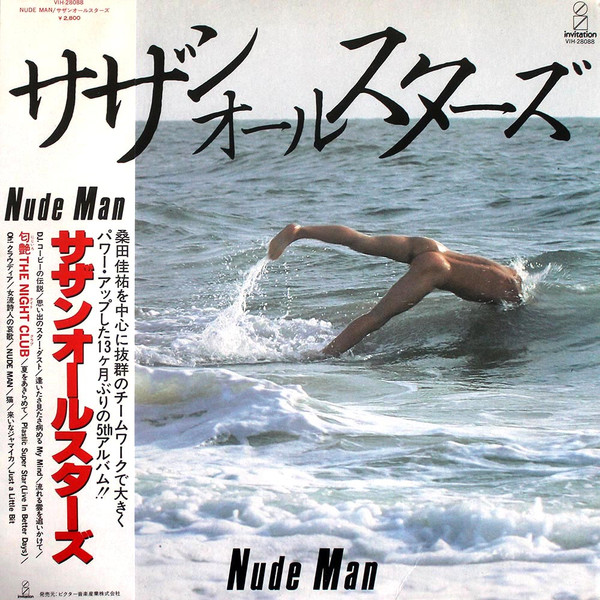
So... we gotta address the naked elephant in the room, and talk about the jacket photo on the album. Captured by photographer Katsuo Hanzawa, it's an image of an Australian hippie with whom Hanzawa lived in a rented fishing hut during a photography trip to India in the early 1970s, encapsulating a sense of freedom and cultural exploration that was synonymous with the band. Kuwata, for whatever reason, found the photograph resonant and amusing, deciding to incorporate it into the album's visual identity with Hanzawa's consent. 

Despite the album's success, lead vocalist Kuwata’s reflections on "NUDE MAN" were mixed. He described the album as "boring" and expressed a lukewarm sentiment towards some of the songs. Yet, he also acknowledged the creative liberation the album afforded him, stating that it allowed him to pursue musical endeavors that were previously out of reach. Kuwata also recognized the album's pivotal role in shaping the band’s image, suggesting that it solidified the Southern All Stars’ identity as synonymous with summer, for better or worse. 

THE MUSIC

  1. Oh! Claudia⭐⭐⭐⭐
  2. The Legend of DJ Kobe (D.J.コービーの伝説) ⭐⭐⭐⭐
  3. Memories of Star Dust (思い出のスター・ダスト)⭐⭐⭐⭐
  4. Giving Up On The Summer (夏をあきらめて)⭐⭐⭐⭐⭐
  5. Chasing the Flowing Clouds (流れる雲を追いかけて)⭐⭐⭐⭐⭐
  6. Rainbow Coloured The Night Club 匂艶The Night Club ⭐⭐⭐⭐⭐
  7. "I've met you, I've seen you, my sick mind" 逢いたさ見たさ病める My Mind⭐⭐⭐⭐
  8. Plastic Super Star (Live In Better Days)⭐⭐⭐⭐⭐
  9. Lamentations of a Female Poet 女流詩人の哀歌⭐⭐⭐⭐⭐
  10. Nude Man ⭐⭐⭐⭐
  11. Cat 猫⭐⭐⭐
  12. Come Jamaica 来いなジャマイカ⭐⭐⭐⭐
  13. Just A Little Bit⭐⭐⭐⭐⭐

THE VERDICT 


When it comes to summer pop in Japan, names like Tube or Omega Tribe are usually the first to surface. Omega Tribe and Southern All Stars (SAS), in many ways, are the premier summer bands; however, their differences are perfectly articulated by prolific songwriter & producer Tetsuji Hayashi:

“If Southern All Stars is a beach house, then Omega Tribe is a bistro. The former can go anywhere in the country, even if there is a curtain of ice. But the latter is pretty much restricted to Shōnan or Suma. That’s where SAS’s strength lies.”

Where Omega Tribe is bound to a single, summer vibe, SAS thrives on flexibility, which allows them to remain fresh long after the season fades. Their 1982 album Nude Man embodies this versatility—a strange yet addictive collage of Southern rock, disco, 1960s soul, and Latin influences, all anchored by Keisuke Kuwata’s bluesy, soulful vocals.

One of the album’s standouts, “Natsu o Akiramete” (夏をあきらめて), has become one of SAS’s most enduring ballads, a breezy anthem of summer love. Remarkably, Kuwata recorded the vocal while suffering from a TMJ disorder—yet it still shines as one of his best performances. “Chasing the Flowing Clouds” (流れる雲を追いかけて) offers a somber honky-tonk ballad telling the story of a mother enduring hardship in war-torn Manchuria. While it's a beautiful song by itself, it's extremely jarring, as it is immediately followed by “Nijiiro The Night Club”, the album’s showstopper: a bombastic, Latin-flavored track brimming with strings, brass, and layered vocals that perfectly encapsulate SAS’s signature sound. Then there’s “Koi na Jamaica” (来いなジャマイカ)—a tongue-in-cheek reggae cut that’s as provocative as it is goofy, with the lyrics cheekily name-dropping Marley, Jagger, and Ray Parker Jr., while rhyming “erection” with “connection.” While each song varies in tone, you can tell that they were constantly looking for new ways to go all-out in the studio, Plastic Super Star being the perfect example, as it's produced to sound like a live concert, Kuwata went so far as to invite dozens of students from Aoyama Gakuin University, his old stomping grounds, to serve as the rowdy audience.

Listening to Nude Man is like wandering through a raucous summer festival: eclectic, noisy, a little messy, but utterly unforgettable. This record is a testament to Southern All Stars’ ability to pivot between genres while always sounding unmistakably like themselves.

Saturday, August 23, 2025

Blue's by UDAKAN - 1988


The Blues are the cornerstone of American music. Artists like Muddy Waters and B.B. King laid the foundation for what we would eventually call Rock & Roll. Although the genre’s popularity waned over the decades, it experienced a significant revival in the 1980s, carried by the passion and soul of artists such as Stevie Ray Vaughan and Robert Cray.

Color me surprised, then, when I discovered that the Blues also found a new home across the Pacific—in the bustling streets of Osaka. By the 1970s, a thriving underground scene had taken root in the Kansai region, where bands like Funny Company, West Road Blues Band, and Masaki Ueda’s South To South reinterpreted the genre through a distinctly Japanese lens. They didn’t just imitate American forms—they injected their own regional flavor, blending Kansai’s rough-and-ready spirit with the raw emotion of Delta and Chicago blues.

Among these groups, one of the most famous names to emerge was Ukadan (憂歌団). Founded by Mitsuki Kimura (木村充揮) and Kantaro Uchida (内田勘太郎), the band began performing in the early 1970s under the heavy influence of American blues musicians. But unlike many copy bands of the era, Ukadan adapted the blues to the Kansai dialect and daily life. Their performances carried what critics called the “smell of the street,” making their music resonate deeply with ordinary listeners.

The best example is their 1975 debut single “Osōji Obachan” (“Cleaning Lady”)—a satirical take on the life and personality of an Osaka cleaning woman. While catchy and full of swagger, the song was banned from airplay just a week after release, accused of mocking working-class women. Ironically, the controversy only cemented Ukadan’s reputation as a band unafraid to push boundaries.

Over the next decade, their name became synonymous with Japan’s homegrown blues. That reputation reached its peak in June 1988, when Ukadan became the first Japanese band ever to perform at the Chicago Blues Festival, standing shoulder to shoulder with the music’s originators. That same year, they released their most iconic album, simply titled “BLUE’S”. produced by famed lyricist Chinfa Kan.


THE MUSIC


  1. 大阪ビッグ・リバー・ブルース⭐⭐⭐⭐⭐
  2. ちっちゃなダイヤモンド / Little Diamond⭐⭐⭐⭐⭐
  3. 二人でいようよ/ Let's be together ⭐⭐⭐⭐
  4. かぞえきれない雨⭐⭐⭐⭐⭐
  5. 働け、ブルース・バンド⭐⭐⭐⭐
  6. 木綿のシャツをつくっておくれ / Make me a cotton shirt⭐⭐⭐⭐
  7. オンリー・ロンリー・ジャマイカ⭐⭐⭐⭐
  8. Fisherman's Blues⭐⭐⭐
  9. Angel On My Shoulder⭐⭐⭐⭐⭐
  10. とどかぬ想い~I Say Love You, Only~⭐⭐⭐⭐⭐

THE VERDICT


I wasn’t sure what I expected going into this one. The opening track, “Osaka Big River Blues,” immediately reminded me of Masaki Ueda’s signature ballad, “Osaka Bay Blues.” Honestly? It’s just as good. Something about Kimura’s raspy vocals evokes the grit of Howlin’ Wolf or Joe Cocker, perfectly matching the band’s down-to-earth style.

Songs like “Little Diamond” use the metaphor of a diamond to describe the precious, irreplaceable things we hold in our daily lives. That kind of lyricism, paired with Ukadan’s gritty blues-rock instrumentation, shows their intimate understanding of what the blues is really about—turning ordinary struggle and longing into something universal.

“Countless Rain” (かぞえきれない雨) is another standout, a deeply evocative blues ballad that channels heartbreak and isolation through weather imagery. The rain becomes a relentless force, pounding at the narrator’s heart like unshakable sorrow. Pair that with a lonely highway at night, and you’ve got a song that hits as both raw poetry and a badass driving soundtrack.

Funny enough, with most J-rock bands I encounter, this album veers into other genres with equal quality. “Let’s Be Together” (二人でいようよ) drifts into a light, breezy bossa nova, the kind of track you’d hear in a quiet coffeehouse. Meanwhile, “Make Me a Cotton Shirt” (木綿のシャツをつくっておくれ) plays like a jazz standard lifted straight from the Great American Songbook, warm and timeless.

That’s what makes diving into albums like this so rewarding: discovering the many ways American music gets reinterpreted through the lens of another culture. Ukadan don’t just cover the blues—they live it, while bending its vocabulary into something distinctly their own.

Tuesday, March 28, 2023

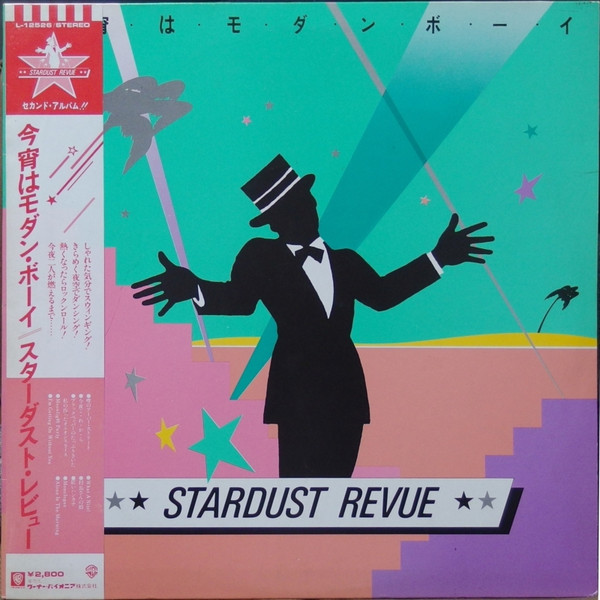
Tonight, I'm a Modern Boy by Stardust Revue - 1982


Hoagy Carmichael is one of the most important singer-songwriters in American history, responsible for filling up the The Great American Songbook with standards such as "Stardust", "Georgia On My Mind", and "Hong Kong Blues''. Of course the ol' "Music Master" himself probably would have never predicted how much influence he had overseas, particularly in Japan. Case in point, four amateur musicians form Saitama Prefecture; Kaname Nemoto (根本要), Kiyoshi Kakinuma (柿沼清史), Masami Terada (寺田正美) and Toshikatsu "VOH'' Hayashi(林紀勝), would come together to form a band inspired by Jazz standards and musical revues of old. After winning the Yamaha Popular Song Contest in 1979, they landed a record deal with Warner Music Japan and named themselves Stardust Revue, as an homage to Carmichael's classic song, "Stardust". While their music style changed and evolved over the course of the years, no album represents their signature "revue" style more than their second 1982 album, Koyoi Ha Modern Boy (今宵はモダン・ボーイ), also known as Tonight, I'm a Modern Boy.


THE MUSIC

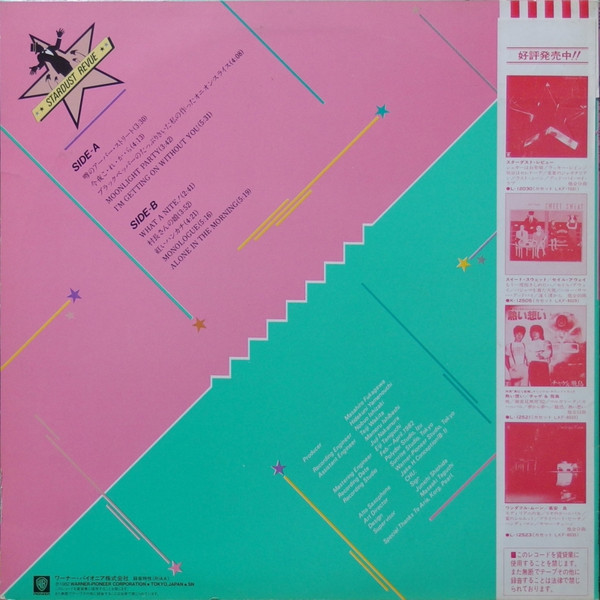
  1. 噂のアーパー・ストリート(Rumored Upper Street)⭐⭐⭐⭐⭐
  2. 今夜こ・れ・か・ら⭐⭐⭐⭐
  3. I Made Onion Slices with Plenty of Black Pepper (ブラックペッパーのたっぷりきいた私の作ったオニオンスライス)⭐⭐⭐
  4. Moonlight Party ⭐⭐⭐
  5. I'm Getting On Without You ⭐⭐⭐⭐⭐
  6. What A Nite! ⭐⭐⭐⭐
  7. 村長さんの娘 (The Village Chiefs Daughter) ⭐⭐⭐
  8. 紅いハンカチ⭐⭐⭐⭐
  9. Monologue⭐⭐⭐⭐⭐
  10. Alone In The Morning⭐⭐⭐⭐⭐

THE VERDICT


Tonight, I'm a Modern Boy is an interesting album, alternating between Vaudeville/Revue inspired Big band numbers and more adult contemporary west coast pop. One minute I'm on Broadway watching a musical with songs like "Rumored Upper Street", and "What a Night'' , then the next moment I feel like I'm driving down Pacific Coast Highway listening to songs like "Monologue" and "I'm Getting On Without You". To be fair both styles of music are done very well. The vocals do a great job of matching the energy of the music as well. Kaname Nemoto really knows how to get bombastic, or jazzy when he needs to. Yasuhiro Mitani, who sings on Monologue, is no slouch either. The whole record is filled with phenomenal vocal jazz arrangements in the backing chorus as well. The only song I can't really take seriously is "The Village Chief's Daughter", it's a really corny faux-Chinese inspired rumba Haroumi Hosono might have whipped up back in his heyday, complete with the huge gong in the intro. That being said, much like an actual Revue, you get the sense that you're not suppose to take it very seriously, they expect you to get lost in the whimsy of each song. I mean for crying out loud there's a song called  "I Made Onion Slices with Plenty of Black Pepper ''. That's a title that can give modern isekai anime a run for its money, but its a fun, decent Broadway style number that reminds me of something I would have heard from The Muppets Take Manhattan. Overall, Tonight, I'm a Modern Boy turned out to be a great change of pace compared to the usual City Pop fare. It's a jazzy, theatrical record perfect for fans of Manhattan Transfer, or even Al Jarreau.


Saturday, March 11, 2023

Midnight Cruisin' By Kingo Hamada - 1982


Back in 2017, a future funk song called Crystal Dolphin by Englewood blew up on the internet and became an overnight sensation on social media. Of course, like most Future Funk/Vaporwave remixes, the song originates from a Japanese AOR song called Machi No Dolphin (街のドルフィン), or Dolphin In Town in English. The original song was composed by Japanese crooner Kingo Hamada (濱田金吾) for his 1982 album, Midnight Cruisin'. Prior to his solo career, Hamada was among the plethora of folk artists turned Pop singers from the 70s. Originally a bassist and vocalist for the folk band Craft in 1974, he started his solo career in 1980 with the release of Manhattan in The Rain under Air Records. Midnight Cruisin' was the first album released under the newly formed Moon Records. The album features talented musicians like guitarist and fellow singer Makoto Matsushita, Pianist and producer Eiji Shinamura, bassist Shigeru Matsumoto, trumpeter Susumu Kazurara, and of course, saxophonist Jake H. Concepcion. All the music was composed by Hamada, with lyrical assistance from Kazuko Kobayashi, the prolific Chinfa Kang, and folk singer Kohei Oikawa, who was responsible for the catchy lyrics of Dolphin in Town.

THE MUSIC


  1. The Woman Who Came to Be Embraced (抱かれに来た女)⭐⭐⭐⭐⭐
  2. Profile Taxi Driver ( 横顔のタクシー・ドライバー)⭐⭐⭐⭐ 
  3. So, I Love You⭐⭐⭐⭐
  4. Dolphin in Town⭐⭐⭐⭐⭐
  5. A Faint Illusion(ほのかなイリュージョン)⭐⭐⭐⭐
  6. Midnight Cruisin'⭐⭐⭐⭐⭐
  7. At Least, Make It Fine and Sunny (せめてからりと晴れてくれ)⭐⭐⭐⭐
  8. Scenery With a Shower Room (シャワールームのある風景)⭐⭐⭐⭐⭐
  9. Midnight Tennis Court(真夜中のテニスコート)⭐⭐⭐⭐

THE VERDICT


Usually, night-centric City Pop albums focus on the fun and nonstop action of the club scene. However, Hamada takes a more somber approach and draws more attention to the restlessness and melancholy of the wee small hours. There's a stronger emphasis on slower ballads and lounge jazz numbers; The opening track, "The Woman Who Came to be Embraced", sets the entire mood of the album just from the opening trumpet playing, and makes you feel like you're sitting in a Nighthawks-style dinner sipping on bourbon, or even an Irish Coffee. You can envision yourself on a late night drive across the Manhattan Bridge listening to "Profile Taxi Driver", another lowkey track that would fit in with any of the tracks Bob James composed for the 1978 sitcom, "Taxi", especially when you compare it with the show's theme song, "Angela". Later on, the album will dip into noir territory with sensual jazz numbers like "Shower Room Scene".

Of course, there's still room for upbeat tracks. The titular street racing song, "Midnight Cruisin'", always gets my blood pumping with its bombastic brass section. The ever-popular "Dolphin in Town" is a Latin-inspired disco beat with a simple, yet playful chorus that's fun and catchy. "At Least, Make It Fine and Sunny", switches things up with a surprisingly good reggae-pop number with more jazzy horns. It also helps that Kingo Hamada's cool, calm vocals complement each song extremely well. Whether you are someone who's restless in the middle of the night, needs the perfect background music for your late-night bar, or just wants to dance their troubles away, Midnight Cruisin' has got a song for you.

Thursday, March 17, 2022

Rotation by SHOGUN - 1979


Rotation is the 2nd album by the soft rock band, SHOGUN in 1979. SHOGUN was a session band formed in 1978 to compose the soundtrack to the hit comedy/detective show, "Oretachi wa Tenshi da!"(俺たちは天使だ!/We Guys Are Angels!). The two lead members were session guitarist Fujimaru Yoshino (芳野藤丸), fresh off of making his 1977 debut album, BGM, and Kansas-born American singer-songwriter, Casey Rankin. 

Fans of Rankin might recognize him for his work in 80s anime soundtracks or as the composer for the Japanese theme songs to the hit SEGA CD game Sonic CD, but back in the '60s, he was already a distinguished songwriter and studio musician who's toured with bands like The Guess Who, Vanilla Fudge, and Leslie West's Mountain. However, the excessive lifestyle of the music scene in the states was taking a toll on his mental and physical health and decided to go on a hiatus in which he moved to Japan in 1971. While in Japan, he began a one-year intensive program of zen in a temple located near Yokohama, which completely refreshed him as he returned to his songwriting career in 1976, with his short stint with the band, Short Hope.

SHOGUN's next project would be for the soundtrack for another popular detective show simply known as Detective Story (Tantei Monogatari/探偵物語), staring actor Yūsaku Matsuda, who would serve as the inspiration for Cowboy Bebop protagonist, Spike Spiegel. They composed the main opening and closing theme songs for the show, "Bad City" and "Lonely Man", which would be featured as singles on their second album, Rotation. The album was produced by Noriko Iida (飯田倫子) who was responsible for producing many records by prolific jazz-fusion composer, Yuji Ohno(大野雄二) famous for his work in the Lupin III anime series. It also features the musical talents of saxophonists Jake H Concepcion and Eiji Toki, as well as drummer Atsuo Okamoto(岡本郭男), who at the time was also part of the Brass-rock band, Spectrum.


THE MUSIC

  1. As Easy As you Make It ⭐⭐⭐⭐
  2. Imagination ⭐⭐⭐⭐
  3. Sailor-Sailor ⭐⭐⭐
  4. Yesterday, Today And Tomorrow ⭐⭐⭐⭐⭐
  5. Margarita ⭐⭐⭐⭐
  6. Bad City ⭐⭐⭐⭐⭐
  7. The Tourist ⭐⭐⭐
  8. I Should Have Known Better ⭐⭐⭐⭐
  9. Lonely Man ⭐⭐⭐⭐⭐

THE VERDICT 


Seems like whatever band Fujimaru is a part of, he knows how to make cool music. For their second album, SHOGUN goes for a sound that's a cross between Doobie Brothers and Chicago, a smooth & jazzy soft-rock sound backed by an in-your-face brass section, with the occasional dip into country. Yoshino & Rankin have this Michael Mcdonald & James Ingram dynamic going on where their voices sound so similar, they complement each other really well. Each song sounds like it could have been the theme song of a 70s TV show, or at least part of a soundtrack to a movie. Two of them literally are TV songs, and they're the best songs on the album. 

"Bad City" definitely has that cop show vibe to it, the piano opening definitely makes you feel like you're entering a cantina in a shady part of the city, then it shifts into a rock & roll boogie number and suddenly you feel like you in the middle of a bar fight or a shoot out. "Lonely Man" is a badass shuffle straight out of Boz Scaggs' Middle Man. The other songs on here are great too like the jazzy vaudeville-inspired The Tourist about a Japanese tourist's unlucky experience at the airport, the appropriately named tropical yacht rock piece, "Margarita", or the somber counter-top blues number "Yesterday, Today And Tomorrow". 

Overall, Rotation is a great album for those who are looking for a more cinematic approach to City Pop and is a great example of SHOGUN at its peak. If you want to learn more about their bandleader, Casey Rankin, YouTuber Mercury Falcon did an excellent video about his life & work.

Tuesday, March 8, 2022

We Are by Off Course - 1980


Off-Course was a Japanese folk and rock group led by singer-songwriter Kazumasa Oda (小田和正). In 1964, Oda teamed up with his high school friend Yasuhiro Suzuki(鈴木康博) to form a Simon & Garfunkel-inspired flok duo. Oda primarily played keyboards and Suzuki played guitars, with the two sharing songwriting and vocals. The band would grow and continue to play at small venues and music competitions until, in 1969, they made it to the finals of the LMC Nationwide Grand Prix Competition. Even though they ended up in second place, they earned a recording contract with Toshiba EMI. The group debuted in 1970 with the single, In The Crowd(群衆の中で), followed by their debut album My Gift( 僕の贈りもの). After a decade of cycling through band members, and 7 albums with a gradual shift from folk to soft rock/AOR, they had their first chart-topping release with their 8th album, We Are, in 1980.

At the time of recording, the current lineup for Off Course was Kazumasa Oda on keyboards, Yasuhiro Suzuki on guitar, Hitoshi Shimizu(清水仁) on electric bass, Hitose "Jiro" Oma(大間仁世) on drums, and Kazuhiko Matsuo on Guitar & harmonica. The duties of writing and composing were split between all five members. Looking to achieve a sound inspired by the American AOR classic, Middle Man by Boz Scaggs, the band sought help from an internationally-renowned sound engineer, Bill Schnee, who had worked on Middle Man and other award-winning albums like Steely Dan's Aja and The Pointer Sisters So Excited! . The album also features the musical talents of Yoshihisa Tamano (玉野嘉久) & his string ensemble, who's provided orchestral arrangments for Mariya Takeuchi, Bread & Butter, and Southern Allstars, American saxophonist Gary Herbig who's backed artists like Donna Summer, The Jacksons & George Duke, and Steel guitarist Doug Livington, who's backed artists like Olivia Newton-John and George Straits.

THE MUSIC


  1. Sometimes love (時に愛は)⭐⭐⭐⭐
  2. Our Time (僕等の時代) ⭐⭐⭐
  3. You Are Alone (おまえもひとり) ⭐⭐⭐⭐⭐
  4. What Is More Important Than You (.あなたより大切なこと) ⭐⭐⭐⭐
  5. Under the Stars (いくつもの星の下で) ⭐⭐⭐
  6. Beyond 100 Million Nights (一億の夜を越えて) ⭐⭐⭐⭐⭐
  7. I'm sorry (せつなくて)⭐⭐⭐⭐
  8. Yes-No ⭐⭐⭐⭐
  9. My Wish (私の願い) ⭐⭐⭐⭐⭐
  10. Kikasete (きかせて) ⭐⭐⭐

THE VERDICT 


We Are features Off Course going for a sound that much is closer to Toto's pop-rock sound, with very clean and smooth production featuring rhythmical guitar riffs, crips Fender Rhodes, and smooth basslines. While the album lacks the stylistic variety that would normally be present in a Toto album or even Off Course's previous records, Oda's signature warm & rich vocal harmonies paired with Suzuki's groovy guitar solos really carry the album and give it a consistently mellow & relaxing tone. Standout tracks include the smooth post-disco rock jam You Are Alone, and What's More Important to You, which has a new wave vibe reminiscent of The Police. Epic power ballads like Yes-No and Beyond 100 Million Lights would fit right in with an 80's training montage. Songs like Under The Stars and My Wish are lovely ballads that highlight the strength of the band's vocal performance and are very reminiscent of Off Course's early folk days.

On the front cover, We Are promised to offer "mellow & fantastic sensitivity", and I would say they definitely succeeded. Off Course definitely made a smooth transition into the 80s, with an extremely well-executed pop-rock/ AOR sound. 

Friday, March 4, 2022

American Albums for Japanese City Pop Fans Part 1


The audience for City Pop has rapidly grown over the past decade or so. It went from an internet fad to a full-blown niche culture where people get together and congregate over their love of old Japanese music. Here in LA, we have several local DJ groups, like Tune In Tokyo, and the aptly named Timely, that host regular events that play nothing but old-school Japanese records at parties and clubs.  I've talked to a few people who insist that they listen to Japanese City Pop as opposed to American pop because in their minds it's superior. I'm not one to knock people's musical tastes but I think we often forget that the foundation for what we recognize as City Pop is western music, especially in the realms of adult & urban contemporary genres. That's why for those people, and really everybody, I'd like to recommend some records to check out if you enjoy the smooth sounds of City Pop. 


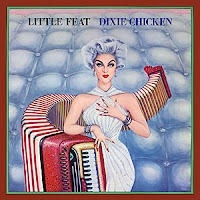
Dixie Chicken by Little Feet - 1973


Little Feat is an American rock band formed by singer-songwriter and guitarist Lowell George and keyboardist Bill Payne in 1969 in Los Angeles. Their music is heavily rooted in Country and roots rock, but with the release of their 3rd album, Dixie Chicken, they began to mix that sound with New Orleans R&B-inspired funk. This distinct mix can be heard in the works of Haroumi Hosono and his band Tin Pan Alley, of course, they would put a greater emphasis on Jazz-fusion on top of that. Lowell George in particular left a huge impression on guitarist Shigeru Suzuki, who along with his bandmates from Happy End, was lucky enough to witness the recording of their second album, Sailing Shoes. If you enjoyed albums like Hosono House, Bandwagon, or HORO, basically any early Tin Pan Alley production, Dixie Chicken is right up your alley (pun intended).


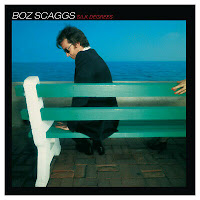
Silk Degrees by Boz Scaggs - 1976

Boz Scaggs may be dismissed nowadays as an atypical example of blue-eyed-soul and cheesy Yacht Rock, however, he was a smash it in Japan. His seminal album Silk Degrees alongside records like Breezin' by George Benson(1976), and Sleeping Gypsy(1977) by Michael Franks,  during this time period that would influence Japan's definition of what they considered "city music'' that is music that evoked the urban, easy-going lifestyle, especially songs like The Lowdown and  Lido Shuffle. Artists like folk duo Kaze, and Ginji Ito in his debut album, would use Silk Degrees as an influence in their transition into City Pop. Also if it weren't for Silk Degrees we wouldn't have the band...

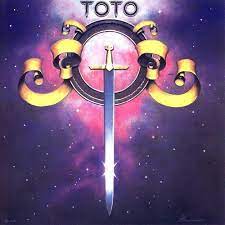
TOTO by Toto - 1978

A majority of City Pop's sound is inspired by the music scene of the West Coast sound, and back in the 70s and 80s, no other musicians symbolized this sound more than Toto. The members of Toto contributed to many of the most popular records of the 1970s, backing up artists like Steely Dan, Seals and Crofts, Boz Scaggs, Sonny and Cher, and many others. It wasn't until the album, Silk Degrees, that the original lineup recognized the synergy they had and decided to form their own band in 1977. The original band consisted of lead vocalist Bobby Kimball, guitarist and vocalist Steve Lukather, keyboardist and vocalist David Paich, bassist David Hungate, keyboardist Steve Porcaro, and drummer Jeff Porcaro.  Toto's debut album showcases their crisp production, tight musicianship, and chameleonic ability to tackle different music genres. Their influence can be heard throughout the entire spectrum of Japanese music in the late 70s & 80s, from rock stars like Masahiro Kuwana, to bands like The AB's, Shogun, and Off Course. On top of that, they have contributed to the productions of our favorite City Pop singers as well like Mariya Takeuchi, and Amii Ozaki.

Niteflyte by Niteflyte - 1979

If you ever wondered where that magical opening guitar riff from Tatsuro Yamashita's Sparkle came from, look no further than the opening track from Nyc Flyte's eponymous album. The Miami funk band led by Howard Johnson and Sandy Torano only released 2 albums on Ariola Records in 1979 & 1980. But in those records, you can hear the sweet summery soul vibes that would go on to influence artists like Tatsuro Yamashita, Toshiki Kadomatsu, and Kiyotaka Sugiyama & Omega Tribe.


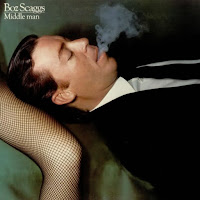
Middle Man by Boz Scaggs - 1980

Boz Scaggs 1980 album was another big hit in Japan, selling way more than Silk Degrees ever did. Another Toto backed album with production & songwriting help from David Foster, Middle Man was another one of the albums that sparked the imaginations of Japanese people with a glamourous vision of an American City, with songs like Jojo and You Can Have Me Anytime (In japan named Twilight Highway) that have influenced artists like Tetsuji Hayashi, Akira Terao, Eri Kojima, and Kingo Hamada.


Tuesday, February 22, 2022

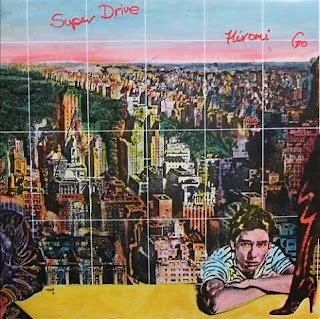
Super Drive by Hiromi Go (1979)


Hideki Saijo(西城秀樹) is the name that pops up when people talk about male idols, seeing how he was the most popular one. However, Saijo had a few rivals in the male idol scene in Japan, one of them being singer & actor, Hiromi Go(郷ひろみ). 

In his debut in the 70s, Hiromi Go was part of the new wave of musical talent then known as the "New Big Three" (新御三家, Shin Gosanke), along with Goro Noguchi (野口五郎) and Hideki Saijo. He got his start with the Johnny & Associates talent agency, creating for the most pop pretty standard teenybopper idol pop. it wasn't until his 20th album that he would finally tackle the City Pop genre in his 1979 album, Super Drive.

Like many Japanese artists who decided to make the transition into the urban contemporary, Go took to New York City, New York, to record his very first overseas album. The backing band for this album was none other than the 24th Street Band, a fusion band that had a decent following in Japan and featured a roster of prolific session musicians. Jazz-fusion guitarist Hiram Bullock released his own series of jazz-funk albums in Japan, as well as participated with other artists such as Billy Joel, Steely Dan, and Miles Davis. Bassist Will Lee is best known for his work on the CBS Television program The Late Show with David Letterman as part of the CBS Orchestra. Drummer Steve Jordan played with the Blues Brothers band for the Blues Brothers movie soundtrack. Keyboardist Clifford Carter is known for performing with artists like Bruce Springsteen, James Taylor, and Art Garfunkel, as well as being a member of the jazz-fusion band The Elements, and at one point the Saturday Night Live Band.

The album was produced by Japanese popular composer, arranger & producer Hagita Mitsuo(萩田光雄), featuring songs composed by Mitsuo, singer-songwriters Fujimaru Yoshino (芳野藤丸), Tetsuji Hayashi (林哲司), and Susumu Agawara (菅原進) from the folk band Billy Ban Ban. The jacket art was designed by acclaimed graphic designer Tadanori Yokoo (横尾忠則).

THE MUSIC 

  1. Chaoyang Prologue (朝陽のプロローグ) ⭐⭐⭐⭐
  2. My Lady ⭐⭐⭐⭐⭐
  3. Wanna Be True ⭐⭐⭐⭐
  4. When You Can See The Horizon (地平線の見える時) ⭐⭐⭐⭐
  5. Someone Like You (君に似た誰かが) ⭐⭐⭐
  6. Feel Like Goin' Home: To The City Where Dreams Live (夢が住む街へ)  ⭐⭐⭐⭐
  7. Nightlife (夜遊び) ⭐⭐⭐
  8. By The Bay (入江にて) ⭐⭐⭐⭐⭐
  9. Sorrow New York (哀愁ニューヨーク) ⭐⭐⭐
  10. Lonely Night ⭐⭐⭐⭐⭐

THE VERDICT 


New York seems to be the go-to theme for a lot of early 70's New Music/City Pop albums, but I think Super Drive pulls it off pretty well. It's got your typical mix of disco, Latin, funk, soul, and smooth jazz numbers that all excel at evoking that big-city feel. The only thing that took me some getting used to was Hiromi Go's vocals, which if I didn't know better, I would have assumed he sucked in a helium balloon before entering the recording booth. Jokes aside, I found his singing to be pretty smooth throughout.

 Songs like Feel Like Going Home and Wanna Be True are funky soul tunes that are the perfect backdrop for an afternoon strut through Manhattan. When You Can See The Horizon takes you to Spanish Harlem with a cool samba number with a great horn section and a groovy guitar solo. Someone Like You is a romantic ballad that's great for looking over the New York Skyline from the Empire State building with that special someone. My favorite track is Lonely Night, a fantastic jazzy ballad that showcases Go's singing chops incredibly well. I love how the orchestration swells up as the song progresses, I almost wish Go gave us a nice falsetto to cap off the song, instead, he continues to sing the chorus in the same tone, which was a bit disappointing, but the song itself is still great. Sorrowful New York takes a detour into Greenwich Village with a bluegrassy folk number that I can only assume harkens back to the heyday of Bob Dylan, which still fits the New York aesthetic pretty well. 

Super Drive is an all-around decent album and a great introduction to Hiromi Go if you're trying to get into his music. If you're already a Go fan, this is a must-have in your collection. 


Thursday, February 17, 2022

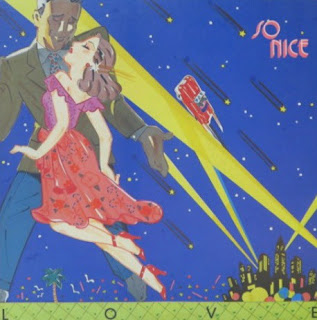
Love by So Nice - 1979


Sugar Babe was a band starring Tatsuro Yamashita(山下達郎), Taeko Ohnuki (大貫妙子), and Kunio Muramatsu (村松邦男),  that's considered legendary in today's time for creating the modern sound of City Pop with their one and only album, SONGS. Unfortunately during the time they were active they were not a commercially successful band, due to that and creative differences with the members, they broke up without making a follow-up album. While we may never know what a true 2nd Sugar Babe album would sound like, one amateur band would take the challenge of creating an unofficial sequel to SONGS; So Nice, with their 1979 album, LOVE.


While Sugar babe was active, a majority of their fanbase was college students. One of these college students was Katsuyuki Kamakura who entered Nihon University College of Art on May 24, 1975.  Kamakura was impressed with Sugar Babe's performance at the Tin Pan Alley Festival at Nakano Sunplaza in Tokyo. Kamakura, inspired to create songs that incorporated Tatsuro's composition techniques, formed his own band through the Folk Music Club at his school, called So Nice. The name So Nice came from the lyrics of a Minako Yoshida (吉田美奈子) song from her 1976 album FLAPPER, "Rum wa O-suki?" (ラムはお好き?... Do You Dig Rum?). Kamakura was the front-man and lead singer alongside female vocalist Misako Matsushima. Throughout their early years, they gave small concerts on campus performing covers of songs by Sugar Babe and Tatsuro Yamashita. Upon the band's graduation from the university in 1979, they issued their lone full-length album, LOVE, comprised of fully original material, in an extremely limited private press of 200 copies.


CREDITS


Drums - Nobuhide Mori(森信英)
Bass - Yoshiaki Takeuchi(竹内嘉章)
Hideaki Chounan (長南秀明)
Keyboard - Koji Yoshida(吉田浩二)
Guitar, Vocals - Katsuyuki Kamakura (鎌倉克行)
Piano, Vocals - Misako Matsushima (松島美砂子)
Vocals - Hiromi Nakamura (仲村裕美)
Guitar - Masahiko Tsuboi(坪井正彦)
Piano - Hiroyuki Miyaguchi (西口博行)


THE MUSIC

  1. So Nice: ⭐⭐⭐⭐⭐

  2. 光速道路 [Kōsoku dōro / Lightspeed Highway]: ⭐⭐⭐⭐

  3. Last Kiss: ⭐⭐⭐

  4. 陽だまり [Hidamari / Sunny Spot]: ⭐⭐

  5. Tight Night: ⭐⭐⭐⭐⭐

  6. Love Sick: ⭐⭐⭐

  7. かけぬける風 [Kakenukeru kaze / Crossing the Wind]: ⭐⭐⭐⭐⭐

  8. Earth Mover: ⭐⭐⭐⭐⭐

  9. 別離 (わかれ) [Betsuri (Wakare) / Parting]: ⭐⭐⭐⭐

  10. Dancing All Night Long: ⭐⭐⭐


THE VERDICT:


LOVE certainly feels like listening to a long-lost Sugar Babe album. It’s very clear that the compositions, at least at the beginning of the album, are pastiches of Sugar Babe songs. Unfortunately, it makes their sound feel antiquated compared to other records that came out during this same time period. However, unlike SONGS, LOVE has a mellower, jazzier, nighttime sound and aesthetic that creates a greater sense of continuity between tracks, making it much more enjoyable to listen to. 

The intro simply called So Nice, is simply beautiful and mesmerizing, reminiscent of the Acappella/doo-wop intro from Eiichi Ohtaki's debut album. Lightspeed Highway sounds like they combined elements Downtown and Somehow Today (今日はなんだか) to create a high octane soft rock song about driving through the city at night. The acoustic love ballad, Last Kiss, is a beautiful homage to Days Gone "60's Dream",  with an extra layer of depth thanks to the backing chorus and ocean ambiance in the background. It also helps that Kamakura sounds eerily similar to Yamashita himself. Matsushima serves well as an analog to Taeko Ohnuki, her best one being Tight Night, a cool jazz-rock number accentuated by its funky bassline and groovy piano melody. 


The band starts coming into their own in the latter part of the record, with songs like Crossing The Wind, resembling something closer to Circus Town or Spacy. There's a great use of synths here that blend in well with the cold mysterious atmosphere of the song. Then there's my favorite song, Earth Mover, a breakup song that straddles the line between, funk, and slow surf rock. Parting is a lovely sounding 60s style ballad with great harmonies coming from both Kamakura and Matsushima. Dancing All Night Long closes off the album with a full-on Latin-tinged dance number that builds up to another doo-wop-style harmony.   


Overall, LOVE proves to be a worthy successor to SONGS. It carries on that Sugar Babe charm with an extra layer of pazazz.  It's got great compositions that build on what made SONGS good in the first place and in many ways enhance it. It's also just a damn good album on its own merits. It's a nice blend of soft rock & jazz. The cheaper self-production doesn't really hinder the music for me since the compositions are so strong, to begin with, and the band members are all clearly putting in 100%. If anything the amateur production gives it a slight garage rock feel to it. LOVE is a hidden gem that should be in everyone's City Pop collection.

Thanks to the resurgence of City Pop's popularity, So Nice has made a comeback doing what they did decades ago; covering Tatsuro Yamashita songs while occasionally coming out with really good original music. They came out with a single in 2018 called Sunday Summer Train (日曜日のサマートレイン). They've even done some live performances with former Sugar Babe member, Kunio Muramatsu! Things seem to be looking up for this underrated City Pop band, and I would highly encourage showing your support by buying a reissue of So Nice today. Preferably the 2018 Limited Edition with all of the Bonus songs.

Downtown by EPO - 1980

Back in 1975, a band called Sugar Babe , featuring Tatsurō Yamashita , Taeko Ōnuki , and Kunio Muramatsu , released an album simply titled S...