Showing posts with label 1980. Show all posts

Friday, August 15, 2025

Downtown by EPO - 1980


Back in 1975, a band called Sugar Babe, featuring Tatsurō Yamashita, Taeko Ōnuki, and Kunio Muramatsu, released an album simply titled SONGS. Though it would later be hailed as a turning point in Japanese pop and serve as ground zero for the City Pop genre, the album initially flopped. Within a year, Sugar Babe had disbanded.

Fast forward to 1978 in a small café in Mishuku, Setagaya. RCA producer Shigeki Miyata meets an aspiring singer-songwriter named Eiko Satō (佐藤栄子). She went by her childhood nickname, EPO, a moniker that stuck ever since a tongue-twisted “Eko-chan”(えーこちゃん) came out as “Epo-chan”(エポ ちゃん). EPO and Miyata talked for hours about her love for Sugar Babe. That conversation convinced Miyata they should make an album together, planting the seed for EPO’s debut, Down Town.

At RCA, EPO was promoted as “the next Mariya Takeuchi”, part of the so-called “Three Daughters of RCA” alongside Ōnuki and Takeuchi herself. During her debut, EPO described her style as “Yellow Pop”—a unique hybrid that was neither rock nor kayōkyoku (traditional Japanese pop). Much like Sugar Babe, she sought to carve out her own space in Japanese music. Many songs on Down Town came directly from her notebooks, including compositions written in high school and lyrics inspired by her personal experiences. The album was produced by Miyata, with arrangements by Tetsuji Hayashi and Nobuyuki Shimizu. The backing chorus featured a remarkable lineup of RCA peers—Yamashita, Ōnuki, and Takeuchi—bringing EPO full circle to Sugar Babe's legacy.

Released on March 21, 1980, Down Town was accompanied by the titular single, which became her signature song, cemented when Fuji TV adopted it as the ending theme for the wildly popular variety show Oretachi Hyōkin-zoku, starring comedian & actor Beat Takeshi.


THE MUSIC


  1. Down Town ⭐⭐⭐⭐⭐
  2. Yakusoko Ha Ame No Naka (約束は雨の中)⭐⭐⭐⭐
  3.  Klaxon ⭐⭐⭐⭐
  4. Nichiyo Wa Bell Ga Narumaeni (日曜はベルが鳴る前に) ⭐⭐⭐⭐⭐
  5. Katarai (語愛) ⭐⭐⭐ 
  6. Pop Music Suite⭐⭐⭐⭐
  7. Asphalt・Hitori (アスファルト・ひとり)⭐⭐⭐⭐⭐
  8. Iiwake Wa Shinaikedo (言い訳はしないけど)⭐⭐⭐
  9. Suiheisen Oikakete (水平線追いかけて)⭐⭐⭐⭐
  10. Caffe Time ⭐⭐⭐


THE VERDICT


I’ll be honest—it took a while for this album to grow on me. When I first heard EPO’s rendition of "Down Town", I brushed it off as little more than a karaoke imitation of Sugar Babe’s original. But over time—especially after buying the vinyl—it crept into my head and became an earworm I couldn’t shake. What eventually won me over was the pairing of its minimalist, synthpop-inspired arrangement with EPO’s jazzy, cheerful voice. 

It's impossible not to get cheery while listening to this record. Tracks like "Yakusoku wa Ame no Naka" and "Suiheisen Oikakete" carry a bouncy, peppy energy that flows effortlessly from one song to the next, and EPO’s singing is a big part of what keeps that momentum alive. It’s easy to hear shades of Mariya Takeuchi in her vocal style, but EPO brings a little more swing that makes Down Town feel more like its own unique experience. "Asphalt Hitori"  is the real unsung hero on this album, continuing the time-honored City Pop tradition of being a near celebratory-sounding disco track with lyrics about loneliness, complete with infectious vocal harmonies and beautiful string arrangements.
Down Town is probably the most prototypical City Pop record you can think of, yet cements itself as a seminal album in its legacy, and proof that sometimes you really can reinvent the wheel. It’s a fun, spirited debut that firmly established EPO’s signature perky, energetic sound, which she would refine further on her follow-up, Goodies. Blending the genre’s 70s roots with the 80s sparkle & sheen, Down Town is both a great intro to City Pop and an endearing showcase of EPO’s charm.

Tuesday, March 8, 2022

We Are by Off Course - 1980


Off-Course was a Japanese folk and rock group led by singer-songwriter Kazumasa Oda (小田和正). In 1964, Oda teamed up with his high school friend Yasuhiro Suzuki(鈴木康博) to form a Simon & Garfunkel-inspired flok duo. Oda primarily played keyboards and Suzuki played guitars, with the two sharing songwriting and vocals. The band would grow and continue to play at small venues and music competitions until, in 1969, they made it to the finals of the LMC Nationwide Grand Prix Competition. Even though they ended up in second place, they earned a recording contract with Toshiba EMI. The group debuted in 1970 with the single, In The Crowd(群衆の中で), followed by their debut album My Gift( 僕の贈りもの). After a decade of cycling through band members, and 7 albums with a gradual shift from folk to soft rock/AOR, they had their first chart-topping release with their 8th album, We Are, in 1980.

At the time of recording, the current lineup for Off Course was Kazumasa Oda on keyboards, Yasuhiro Suzuki on guitar, Hitoshi Shimizu(清水仁) on electric bass, Hitose "Jiro" Oma(大間仁世) on drums, and Kazuhiko Matsuo on Guitar & harmonica. The duties of writing and composing were split between all five members. Looking to achieve a sound inspired by the American AOR classic, Middle Man by Boz Scaggs, the band sought help from an internationally-renowned sound engineer, Bill Schnee, who had worked on Middle Man and other award-winning albums like Steely Dan's Aja and The Pointer Sisters So Excited! . The album also features the musical talents of Yoshihisa Tamano (玉野嘉久) & his string ensemble, who's provided orchestral arrangments for Mariya Takeuchi, Bread & Butter, and Southern Allstars, American saxophonist Gary Herbig who's backed artists like Donna Summer, The Jacksons & George Duke, and Steel guitarist Doug Livington, who's backed artists like Olivia Newton-John and George Straits.

THE MUSIC


  1. Sometimes love (時に愛は)⭐⭐⭐⭐
  2. Our Time (僕等の時代) ⭐⭐⭐
  3. You Are Alone (おまえもひとり) ⭐⭐⭐⭐⭐
  4. What Is More Important Than You (.あなたより大切なこと) ⭐⭐⭐⭐
  5. Under the Stars (いくつもの星の下で) ⭐⭐⭐
  6. Beyond 100 Million Nights (一億の夜を越えて) ⭐⭐⭐⭐⭐
  7. I'm sorry (せつなくて)⭐⭐⭐⭐
  8. Yes-No ⭐⭐⭐⭐
  9. My Wish (私の願い) ⭐⭐⭐⭐⭐
  10. Kikasete (きかせて) ⭐⭐⭐

THE VERDICT 


We Are features Off Course going for a sound that much is closer to Toto's pop-rock sound, with very clean and smooth production featuring rhythmical guitar riffs, crips Fender Rhodes, and smooth basslines. While the album lacks the stylistic variety that would normally be present in a Toto album or even Off Course's previous records, Oda's signature warm & rich vocal harmonies paired with Suzuki's groovy guitar solos really carry the album and give it a consistently mellow & relaxing tone. Standout tracks include the smooth post-disco rock jam You Are Alone, and What's More Important to You, which has a new wave vibe reminiscent of The Police. Epic power ballads like Yes-No and Beyond 100 Million Lights would fit right in with an 80's training montage. Songs like Under The Stars and My Wish are lovely ballads that highlight the strength of the band's vocal performance and are very reminiscent of Off Course's early folk days.

On the front cover, We Are promised to offer "mellow & fantastic sensitivity", and I would say they definitely succeeded. Off Course definitely made a smooth transition into the 80s, with an extremely well-executed pop-rock/ AOR sound. 

Wednesday, March 17, 2021

Pocket Park by Miki Matsubara - 1980


There are a number of female voices associated with City Pop in this past decade. The first one that comes to mind is Mariya Takeuchi and her hit viral single, Plastic Love, however, there's one singer that rivals Mariya in her late internet stardom; the late & great Miki Matsubara.

THE HISTORY


Miki Matsubara (松原 みき) was a Japanese singer, lyricist, and composer born on November 28, 1959, in Nishi-Ku, Sakai, Osaka, Japan. She is known today mainly due to the other viral city pop hit, Midnight Door (Mayonaka no Door): Stay With Me. The song originates from her 1980 debut album, Pocket Park, however, it suffers the same problem that Mariya Takeuchi had with her album Variety, where the one single overshadowed the rest of the album completely. So how does the rest of Pocket Park stack up against such an iconic single?

For this record they spared no expense in acquiring top talent. Featuring veteran composers in the AOR scene like Yoshino Fujimaru, Tetsuji Hayashi, and Ken Sato, who also happens to be the husband & producer of Junko Ohashi. The album also features such lyricists as Tsuzuru Nakasato, Machiko Ryu, folk singer Kohei Oikawa, Yumi Morita who wrote for Rajie and Monta & Brothers, and Yoshiko Miura, who's also written for Junko Yagami, Hitomi Ishikawa, and Hiroshi Kamayatsu. Vocal groups Time Five and Eve appear as backing vocals throughout the album as well. And of course, no City Pop record is complete without the late & legendary Jake H. Conception on saxophone.


Midnight Door would peak at No. 28 on the Oricon charts while Pocket Park rose as high as No. 13 on the album charts. Unfortunately, Matsubara would pass away due to complications from uterine cervix cancer. Thankfully she left behind an illustrious career and a viral internet sensation, as today Midnight Door rivals Plastic Love in popularity, not just as a popular track on YouTube, but in the form of memes found all over the internet, especially TikTok.


THE MUSIC


  1. 真夜中のドア/Stay With Me:⭐⭐⭐⭐⭐Starting off with the most iconic song of her career. Midnight Door is a soulful disco number where Miki laments and reminisces about a lover who walked out on her, begging them not to leave.
  2. It’s So Creamy:⭐⭐⭐⭐⭐ A smooth R&B number with a hint of Latin, featuring some nice flutes and a beautiful string arrangement. Miki's vocal gets more sultry as the lyrics get more flirtatious.
  3. Cryin':⭐⭐⭐ A funky dance track with a lively brass section stacked on top of awesome guitar riffs.
  4. That's All:⭐⭐⭐⭐ A Bossa nova-style ballad where Miki begs her lover not to say goodbye while crying in the pouring rain.
  5. His Woman:⭐⭐⭐ A more typical disco track with a funky bassline and great horns.
  6. Manhattan Wind:⭐⭐⭐⭐ Another funky upbeat groove about strutting down the busy streets of New York on an autumn day. It features some funky horns and a very jazzy piano.
  7. 愛はエネルギー | Love is Energy:⭐⭐⭐ Another upbeat groove about dancing in the name of love. The electric piano sounds to give it a tropical-sounding vibe.
  8. そうして私が | Then I...:⭐⭐⭐ A soulful ballad where Miki sings about accepting her self-image, comparing her reflections in the mirror to shooting stars and gentle birds in the windowsill.
  9. Trouble Maker:⭐⭐⭐ Another unique dance number with more emphasis on aggressive guitars and Miki warns us about an unruly and scandalous heartbreaker.
  10. Mind Game: ⭐⭐⭐ A slower disco song very reminiscent of ABBA's Dancing Queen, but with more resort pop flourishes.
  11. 偽りのない日々| True Days:⭐⭐⭐ Another slow dance number starts off with a very beautiful minimalistic intro that leads into typical disco fare.

THE VERDICT


As far as debut albums go Pocket Park is an excellent start. It has everything you'd expect from a good disco album; funky bass lines, melodic guitars, a harmonious string section, and an awesome backing chorus. All of these qualities are best shown in the album's most iconic song, Midnight Door: Stay With Me, which combined with its catchy English chorus, makes it one of the most iconic City Pop themes ever.

Of course, this highlights the album's biggest drawback; They wasted the best track for the opening number. The rest of the songs, save for two, while well-produced, are pretty average Showa pop fare. The exception being It's So Creamy, which happens to be my other favorite song on the album because of how smooth and lighthearted it is (despite the scandalous title, but that might just be my dirty mind), and Manhattan Wind, which would feel right at home alongside Tatsuro Yamashita's New York-themed Circus Town. You also get the feeling that the composing team was less concerned with creating songs that flowed into a narrative, but rather just came up with a bunch of run-of-the-mill love songs hoping one of them would stick. This is very noticeable with Love is Energy, which has almost the same progression as Stay With Me, but with a less memorable arrangement. What really carries the album is Matsubara's unique, operatic voice, singing in a way that feels sophisticated, but still sexy and soulful when needed.

Overall, Pocket Park is a pretty standard Soul-Pop Album with one iconic anthem and a couple of hidden gems that you won't regret listening to or dancing to. If you're looking to experience Pocket Park for yourself, you can get it on Spotify, and get the re-issue from Ponycanyon.

Monday, March 9, 2020

ALBUM REVIEW: Ride On Time by Tatsuro Yamashita - 1980


Not too long ago last year marked the 39th anniversary of one of the most important albums in Japanese music history: Tatsuro Yamashita's 5th album, RIDE ON TIME. If you were born in Japan you probably recognize this album/song name from either the original Maxell Audio Cassette commercial that it debuted on or more recently in the early 2000’s TV drama "Good Luck!". However, if you’re like me you discovered this album through the ever-changing algorithm known as YouTube Recommendations. Either way, this album holds a special place in many people’s hearts for a multitude of reasons. It was the album that transitioned City Pop from a niche crowd into the mainstream, as well as cementing Tatsuro Yamashita (山下達郎) as a household name in Japan.

HISTORY


The story of RIDE ON TIME begins in the summer of 1979 during the recording of his 4th album Moonglow, where Tatsuro Yamashita would meet his soon to be permanent rhythm section, the late drummer Jun Aoyama (青山純) and bassist Koki Ito ( 伊藤広規 ). Then 22-year-old Aoyama already had prior experience performing with several big artists at the time such as The Square, Hi-Fi Set, Hiroshi Sato (佐藤博), & Yumi Matsutoya (松任谷 由実 ). Koki Ito at that point had experience recording with both Jun and Hiroshi Sato, as well as songwriter Youichi Takizawa (滝沢洋一 ). As an artist who would end up changing session musicians with each album, these two key individuals would allow Tatsuro to finally create music live & in the studio with a consistent team. This gave him a clear sense of direction and the ability to better capture wider forms of expression and dynamism that he wasn't able to before in his music.

The album was recorded at CBS SONY Roppongi Studio, in Minato-ku, Tokyo. All songs were composed by Yamashita himself, while most of the lyrics were handled by fellow songwriter Minako Yoshida(吉田美奈子), who also helped with backing vocals. Other feature musicians included New Music veteran Kazuo Shiina (椎名和夫) on guitar, pianists Hiroyuki Namba ( 難波弘之) on keyboards, jazz trombonist Shigeharu Mukai( 向井滋春 ), and alto sax player Hidefumi Toki ( 土岐英史 ). These musicians, plus Aoyama & Ito, would go on to become Tatsuro Yamashita's all-star band that defined his signature City Pop sound for the next 4 decades. Around the same time, longtime director Kosugi Riyuzo was arranging a tie-in deal involving TV commercials for Maxwell's new line of audio cassettes. For Yamashita, who has already had a career as a composer for commercial jingles, it seemed natural to have Yamashita himself be the star of his own commercial, leading to the creation of the titular hit single, Ride On Time. The actual commercial was filmed at a beach in Saipan, the largest island of the Northern Mariana Islands, and the photographs were taken during the shooting would be used for the album cover.

RIDE ON TIME was released September 19, 1980, for months after the title track became a hit in May. It gained commercial success, reaching No.1 on the Japanese albums chart for a week in October, selling more than 220,000 copies.


THE MUSIC

  1. Someday (いつか): The album opens up with Tatsuro Yamashita announcing “Go ahead” to the band, which commences a bouncy bass intro that leads into a beautiful jazzy piano melody, with uplifting lyrics about not giving up on love and finding a better tomorrow. The song ends climactically with very gospel music-inspired chorus.
  2. Daydream: A happy-go-lucky, four-to-the-floor dance number about painting a cityscape with all the colors of the rainbow. According to Tatsuro himself, this was the best song Minako’s ever written lyrics for. The highlight of the song is definitely the horn arrangements, including the trombone solo done by Shigeharu Mukai (向井滋春), who plays in such a way that serves as the metaphorical paintbrush of the song.
  3. Silent Screamer: The funkiest song on the album, Tatsuro hearkens back to the Isley Bros. to create an exciting funk-rock number about the thrills of street racing. Leading in with a drum intro that would give Michael Jackson’s Billie Jean a run for its money, a whole 4 years ahead of its time! Complete with sound effects that give the illusion of speeding through a highway tunnel at night. Suddenly transitioning into a rocking intro inspired by the Isley Bros’ 1979 single, Liquid Love, but with more emphasis on the rock. The best part of the song is when instead of just leading straight into a guitar solo, we first get an epic bongo percussion solo thanks to session musician Saitou Nobuo (斉藤信男).
  4. Ride on Time [Album version]: The last song of the A-side is easily the most iconic song in Tatsuro's career for obvious reasons. We open up with Tats singing over a piano intro which leads into one hell of a disco number. This song embodies all of the best elements of Tatsuro's music career, from the hypnotic bass line, to the powerful horn arrangements, to the kick-ass saxophone solo, to Tats’ own warm yet assuring voice accompanied by Minako's angelic backing vocals. While the single version fades out into the chorus, the album version leads into some soulful improvisation on Tatsuro’s end before fading, only to surprise you with an A Capella rendition of the chorus before finally ending. The A Cappella arrangement of the song was used in one of the Maxell commercials.
  5. The Door into Summer (夏への扉 Natsu e no Tobira): The second half of the album focuses more on rich melodic slow jams, beginning with Door Into Summer, a Light & Mellow tropical number written by Minako Yoshida, originally featured on Hiroyuki Namba’s own 1979 album, Sense of Wonder. While the song title was inspired by the novel by sci-fi author Robert Heinlein, the lyrics in the song reference the 1894 anthology, The Jungle Book, by Rudyard Kipling.
  6. My Sugar Babe: A love ballad written as an ode to Tatsuro’s very 1st band, Sugar Babe. After the album’s release, it was issued as a single and featured as a theme song for the television drama Keishi-K starring and directed by Shintaro Katsu, which Tatsuro also did the soundtrack for the show.
  7. Rainy Day: Another ballad that Tatsuro originally recorded for Minako’s own 1980 album Monochrome, but because of logistics, her album came out a few months later, and Tatsuro’s cover came out 1st. While Minako’s version is much more minimalist, Tatsuro’s cover adds some groovy bass and some A Capella vocals to the already enchanting piano melody.
  8. Clouds (雲のゆくえに Kumo no Yukue ni): Another song that was previously featured in Minako Yoshida’s album, this time from the 1978 record, Let’s Do It. The original song had a Motown vibe to it, Tatsuro takes the song in a more West-coast AOR direction.
  9. Kissing Goodnight (おやすみ Oyasumi): And finally, the album comes to a close with a brief but beautiful piano solo, reminiscent of his work in SPACY, with Tatsuro serenading the audience to sleep, wishing them goodnight.


THE VERDICT

Production: ⭐⭐⭐⭐

Vocals:⭐⭐⭐

Arrangement:⭐⭐⭐

Aesthetic:⭐⭐

Memorability: ⭐⭐⭐

Composition:⭐⭐


It’s no secret that Tatsuro Yamashita is my all-time favorite J-Pop artist, so it comes as no surprise when I say that RIDE ON TIME is one of my favorite City Pop albums of all time. Dare I say one of my favorite music albums of all time, period. It’s a classic LP that embodies everything great about his music. The A-side is lined up back to back with some of the most dance-able songs in his catalog, although because of that the album might feel a bit front-loaded since the second half is mostly slow to mid-tempo ballads. Side B is definitely a lot slower, but I personally find the arrangements engaging enough to keep me entertained by their excellent combination of jazzy riffs and enchanting doo-wop style vocal harmonies.

Thank you, Tatsuro Yamashita, for putting summer in our hearts.
 The entire album is a superb display of nigh-perfect production quality with each song, thick with perfectly balanced instrumental layering that rivals even the meticulousness of Steely Dan. From the midnight club dancing with Silent Screamer to summertime relaxation with Door Into Summer to day time driving with Ride On Time to the soulful crooning of My Sugar BabeRIDE ON TIME has Tatsuro provides a song for every occasion while capturing all the essential elements that make City Pop so great as a genre all in one package. The opening song in particular, Someday, holds a special place in my heart as it was the song that introduced me to Tatsuro Yamashita’s music. And at a time where I was in a very dark place spiritually & emotionally, the song rejuvenated my soul with its uptempo beat and gospel-influenced chorus and changed my life forever. 

To anybody starting their City Pop journey, this is the 1st album I recommend people check out for obvious reasons, it’s the absolute pinnacle of the genre. I would highly recommend getting the 2002 Remastered Edition which includes never before released instrumental interludes, an instrumental version of My Sugar babe, as well as the single version of the titular song.


*If you enjoy my content, please consider supporting me through Teespring & Patreon. Thanks!

Wednesday, March 4, 2020

ALBUM REVIEW: Miss M by Mariya Takeuchi - 1980


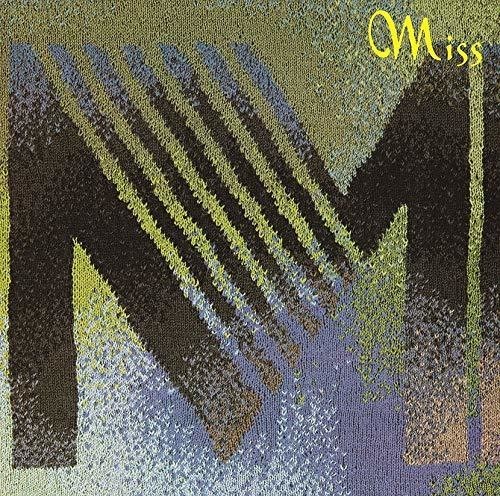
The “M” embroidered sweater shown on the album jacket was woven by writer Osamu Hashimoto.

If you were introduced to City Pop for the first time, it was probably because of Mariya Takeuchi, specifically her 1985 hit single, Plastic Love, arguably the most iconic song in the genre. While Plastic Love happens to be most people’s favorite Mariya song, it’s not mine, as I’ve discovered that her catalog of music is much more diverse than what people are used to. A key example of this is her 1980 classic album, Miss M. Miss M is the fourth studio album by Mariya Takeuchi. What stands out most about the album is that the 1st half was recorded in Los Angeles, California along with musicians from the bands TOTO & Airplay at the height of their career, thus giving the album a more West Coast AOR sound.

THE HISTORY


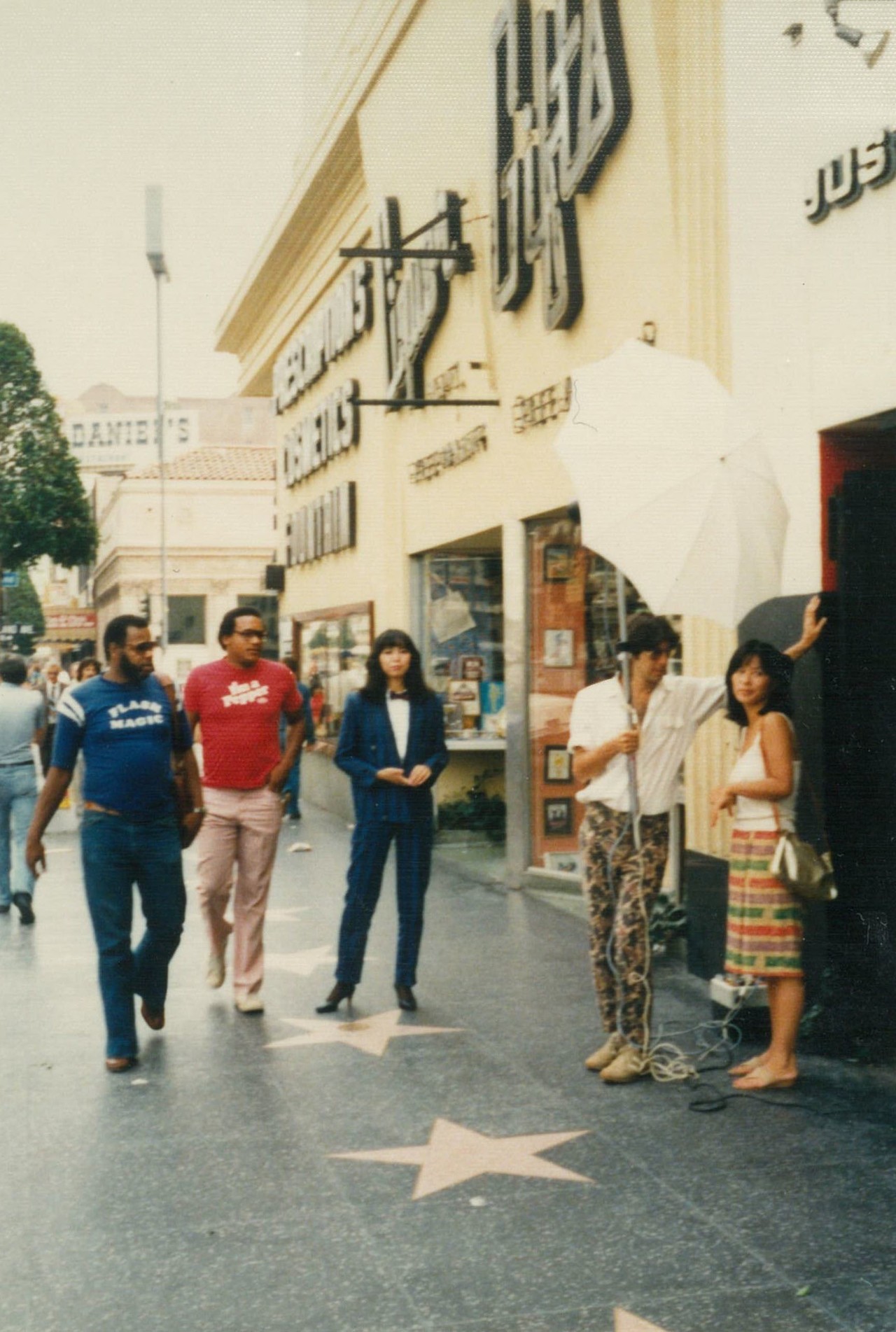
The famous viral photo from the single version of Sweetest Music, Photography by Alan Levenson


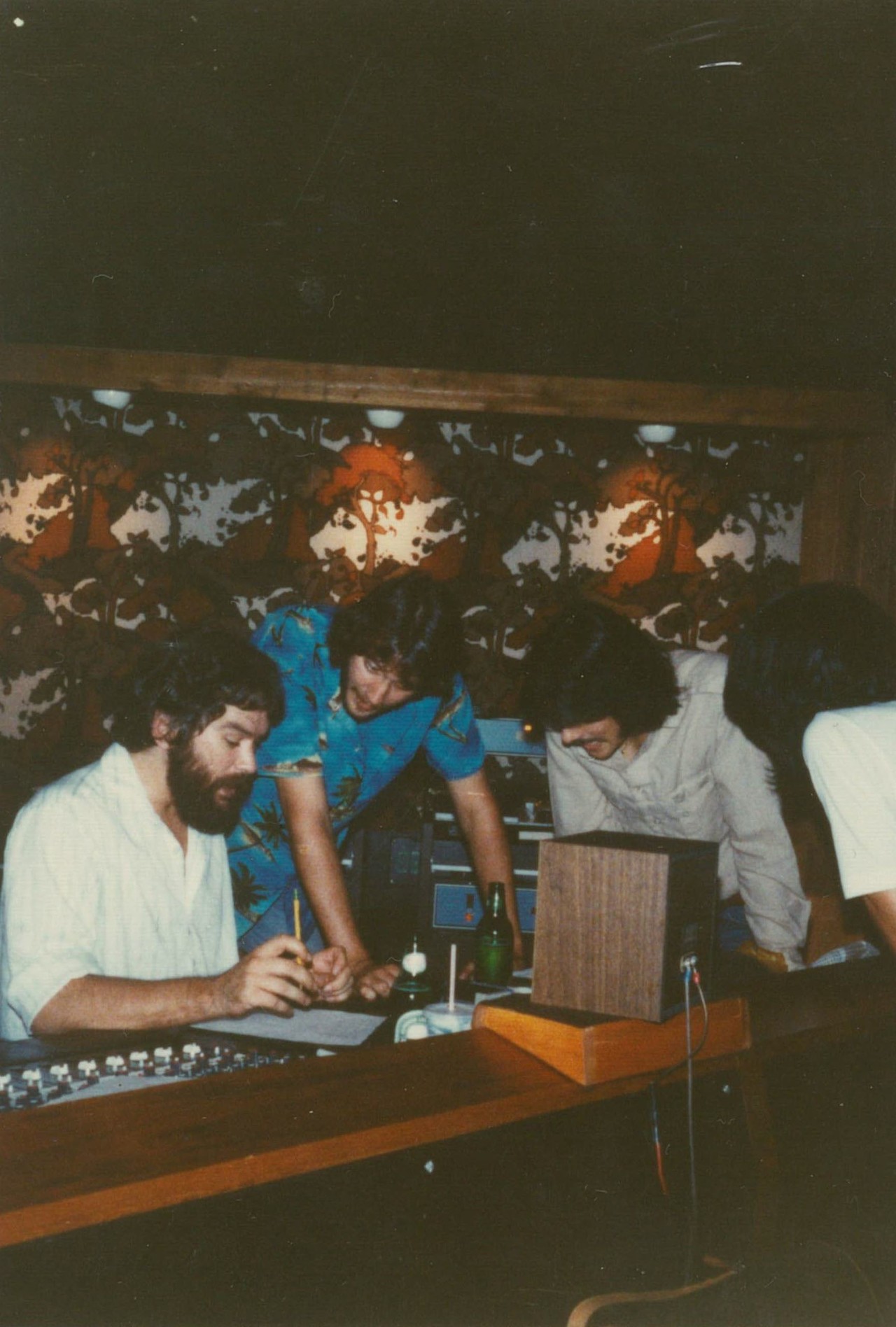
The A side was recorded in California, USA , specifically at Monterrey Sound Studios in Glendale, which operated between 1979~1989. The studio was owned by producer Jack Daugherty, who happened to be a long-time producer of one of Mariya’s biggest musical influences, The Carpenters. The song arrangements were handled by David Foster and Jay Graydon, otherwise known as the band Airplay, they participated as session musicians as well. "LA Side" was joined by members of  TOTO  including Jeff Pocaro on drums, Steve Lukather on guitar, and David Hanggate on bass. On the other hand, the B-side is a "Tokyo Side" recorded in Japan from around June 1980, before the LA side was recorded. Some notable band members for the Japanese portion include the legendary guitarist Shigeru Suzuki (鈴木 茂), pianist & songwriter Nobuyuki Shimizu (清水信之), and bassist Kenji Takamizu (高水 健司).


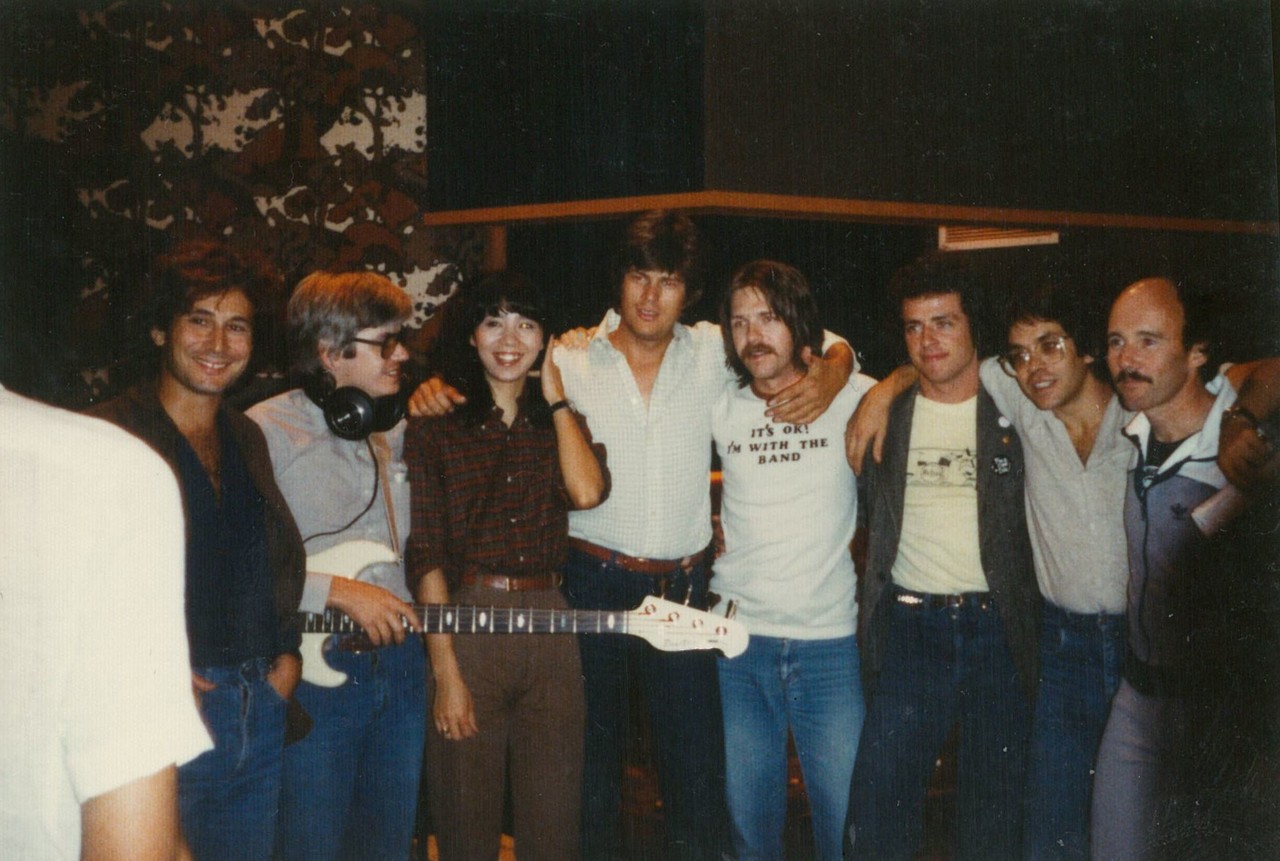
Mark Jordan, David Hanggate, Mariya, David Foster, Jay Graydon, Steve Lukather, Jeff Pocaro

The album also features some well-known singers on backing vocals. Some notable people representing America include Bill Champlin from Chicago and Carmen Twillie who sang Circle of Life from the Lion King movie. Representing Japan we have AOR crooners Yasuhiro Abe (安部恭弘) & Tatsuro Yamashita (山下達郎), fellow RCA darling EPO, and the folk duo Buzz, formed by the older brother of Yellow Magic Orchestra member Yukihiro Takahashi (高橋 幸宏). 


THE MUSIC

THE LA SIDE


1. Sweetest Music: A rockin’ disco number written by David Lasley and composed by Peter Allen. Features a great guitar solo by David Foster.

2. Every Night:
A light & mellow blue-eyed soul number in the vein of Bobby Caldwell, composed by Tatsuro Yamashita with lyrics by Alan O'Day.

3. Morning Glory:
Following up the mood from the previous song, Morning Glory is the perfect song to wake up next to your loved one. Written & composed by Tatsuro Yamashita, who would later cover it in his own album, For You.

4. Secret Love:
A smooth disco-tinged R&B tune with lyrics by Marc Jordan, that would fit in with Michael McDonald’s catalog.

THE TOKYO SIDE

Mariya with D.Foster & B. Champlin

5. Heart To Heart: A Carpenters style love ballad co-written by Roger Nichols. Ironically, it was given English lyrics and a new title, "Now.", when it was covered by the late Karen Carpenter in 1983, which happened to be her swan song.

6. 二人のバカンス (Vacation for Two):
A fast-paced soft rock song that rivals Taking it To the Streets as the perfect AOR tune for speeding down the highway. With lyrics by Mariya Takeuchi and composed by veteran songwriter Tetsuji Hayashi (林哲司).

7. 遠く離れて (When You're So Far Away): Another R&B ballad, this time composed and written by Mariya herself, and arranged by Totsuka Osamu (戸塚 修).

8. 雨のドライヴ (Rainy Drive):
Another good driving song but this time, it’s for a slow cruise through the city. The awesome piano work accompanied by Mariya’s crooning really set the atmosphere for a rainy night at a Jazz lounge.

9. Farewell Call:
For the finale, we’re sent off with an arrangement that sounds like an homage to Karen Carpenter. It’s a pretty by the numbers ballad, but it fades off into a pretty cool guitar solo.

THE VERDICT


Production: ⭐⭐⭐⭐

Vocals:⭐⭐⭐

Arrangement:⭐⭐⭐

Aesthetic:⭐⭐⭐

Memorability: ⭐⭐⭐

Composition:⭐⭐


My initial first listening of Miss M threw me for a loop, I wasn’t expecting to hear so many songs where Mariya is singing English and really good English at that! There’s a lot of reasons for City Pop fans to invest in getting Miss M as their first Mariya album. The English songs are perfect for people who’ve always wanted to sing along with their favorite City Pop artists but don’t have the time to learn Japanese. On top of that, the combination of both Japanese & American arrangements means there’s something for people who want to feel at home with the unadulterated West Coast sound, as well as people who enjoy the blend of East meets West found in J-AOR. Although it’s not anything groundbreaking for the genre, Miss M provides the perfect marriage of Japanese & American pop sensibilities that are fine-tuned with the help of the most iconic & prolific players in the genre.


If you'd like to learn more about Mariya's time in Los Angeles, Concert manager & Music Shopkeeper, Mutsumu Nakajima wrote an essay about his first-hand experience, with detailed play-by-play of the album's recording.


*If you enjoy my work, please consider supporting my research through Tee-Spring and/or Patreon, thanks!

Downtown by EPO - 1980

Back in 1975, a band called Sugar Babe , featuring Tatsurō Yamashita , Taeko Ōnuki , and Kunio Muramatsu , released an album simply titled S...