Showing posts with label S-Tier. Show all posts

Saturday, March 11, 2023

Midnight Cruisin' By Kingo Hamada - 1982


Back in 2017, a future funk song called Crystal Dolphin by Englewood blew up on the internet and became an overnight sensation on social media. Of course, like most Future Funk/Vaporwave remixes, the song originates from a Japanese AOR song called Machi No Dolphin (街のドルフィン), or Dolphin In Town in English. The original song was composed by Japanese crooner Kingo Hamada (濱田金吾) for his 1982 album, Midnight Cruisin'. Prior to his solo career, Hamada was among the plethora of folk artists turned Pop singers from the 70s. Originally a bassist and vocalist for the folk band Craft in 1974, he started his solo career in 1980 with the release of Manhattan in The Rain under Air Records. Midnight Cruisin' was the first album released under the newly formed Moon Records. The album features talented musicians like guitarist and fellow singer Makoto Matsushita, Pianist and producer Eiji Shinamura, bassist Shigeru Matsumoto, trumpeter Susumu Kazurara, and of course, saxophonist Jake H. Concepcion. All the music was composed by Hamada, with lyrical assistance from Kazuko Kobayashi, the prolific Chinfa Kang, and folk singer Kohei Oikawa, who was responsible for the catchy lyrics of Dolphin in Town.

THE MUSIC


  1. The Woman Who Came to Be Embraced (抱かれに来た女)⭐⭐⭐⭐⭐
  2. Profile Taxi Driver ( 横顔のタクシー・ドライバー)⭐⭐⭐⭐ 
  3. So, I Love You⭐⭐⭐⭐
  4. Dolphin in Town⭐⭐⭐⭐⭐
  5. A Faint Illusion(ほのかなイリュージョン)⭐⭐⭐⭐
  6. Midnight Cruisin'⭐⭐⭐⭐⭐
  7. At Least, Make It Fine and Sunny (せめてからりと晴れてくれ)⭐⭐⭐⭐
  8. Scenery With a Shower Room (シャワールームのある風景)⭐⭐⭐⭐⭐
  9. Midnight Tennis Court(真夜中のテニスコート)⭐⭐⭐⭐

THE VERDICT


Usually, night-centric City Pop albums focus on the fun and nonstop action of the club scene. However, Hamada takes a more somber approach and draws more attention to the restlessness and melancholy of the wee small hours. There's a stronger emphasis on slower ballads and lounge jazz numbers; The opening track, "The Woman Who Came to be Embraced", sets the entire mood of the album just from the opening trumpet playing, and makes you feel like you're sitting in a Nighthawks-style dinner sipping on bourbon, or even an Irish Coffee. You can envision yourself on a late night drive across the Manhattan Bridge listening to "Profile Taxi Driver", another lowkey track that would fit in with any of the tracks Bob James composed for the 1978 sitcom, "Taxi", especially when you compare it with the show's theme song, "Angela". Later on, the album will dip into noir territory with sensual jazz numbers like "Shower Room Scene".

Of course, there's still room for upbeat tracks. The titular street racing song, "Midnight Cruisin'", always gets my blood pumping with its bombastic brass section. The ever-popular "Dolphin in Town" is a Latin-inspired disco beat with a simple, yet playful chorus that's fun and catchy. "At Least, Make It Fine and Sunny", switches things up with a surprisingly good reggae-pop number with more jazzy horns. It also helps that Kingo Hamada's cool, calm vocals complement each song extremely well. Whether you are someone who's restless in the middle of the night, needs the perfect background music for your late-night bar, or just wants to dance their troubles away, Midnight Cruisin' has got a song for you.

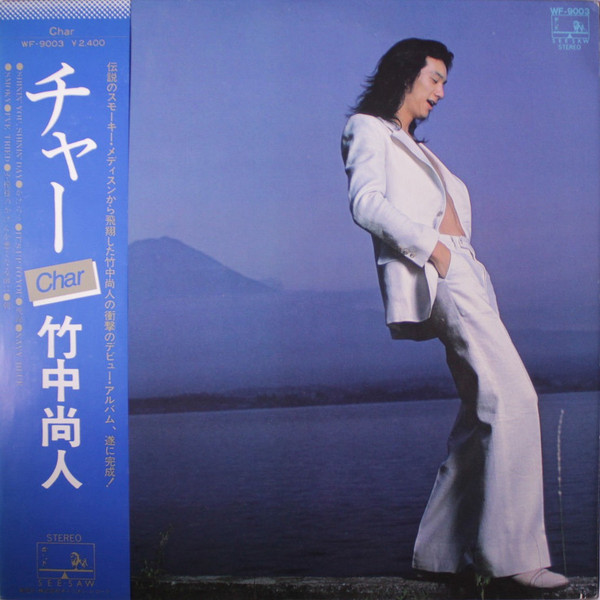
Char by Char - 1976


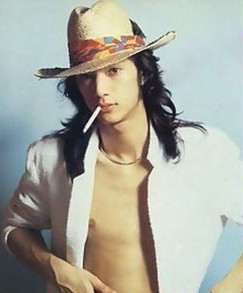
I've said before that Japan has no shortage of guitar legends, one of the best ones from the 70s has to be Hisato Takenaka(竹中尚人), who would be known more famously by his stage name, Char. Born in 1955 in Shinagawa Ward, Tokyo, Char started his musical journey learning piano in elementary school. It wasn't until he was inspired by Eric Clapton, that he would end up hooked on the guitar at 8 years old. In junior high, Char began work as a session guitarist, and at 17, he formed the band Smoky Medicine in 1973 with Mari Kaneko. Although the band only lasted a year, it garnered much media attention. In '76, Char eventually signed up with Canyon Records and released his debut single "Navy Blue" followed by his debut album CHAR which came out in September of that year. The album featured composer and keyboardist, Jun Sato, as well as various American sessions musicians like Rob Brill (drums), George Mastrich (bass), and keyboardist Jerry Margosian, who also provided lead vocals on two of the album's songs,  "It's Up to You"  and "I Tried".

THE MUSIC


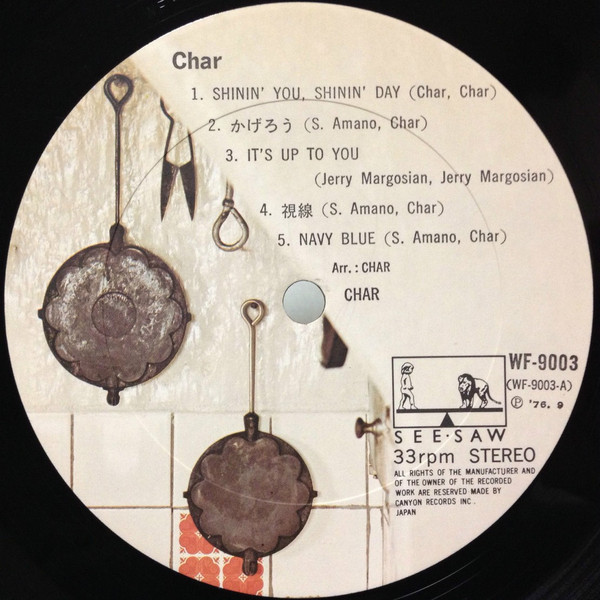
  1. Shinin' You, Shinin' Day ⭐⭐⭐⭐⭐
  2.  かげろう  ⭐⭐⭐⭐⭐
  3. It's Up To You ⭐⭐⭐⭐
  4. 視線 ⭐⭐⭐⭐
  5.  Navy Blue ⭐⭐⭐⭐⭐
  6.  Smoky ⭐⭐⭐⭐⭐
  7.  I've Tried ⭐⭐⭐⭐⭐
  8.  空模様のかげんが悪くなる前に ⭐⭐⭐⭐⭐
  9.  かげろう ⭐⭐⭐⭐


THE VERDICT


Char's eponymous album is a fantastic introduction to one of Japan's premier guitar heroes. Showcasing a unique blend of jazzy, bluesy, psychedelic-funk rock reminiscent of Cream and The Sons of Chaplin, with a dash of Jimi Hendrix. Some of my favorite songs include "Shining You, Shining Day", a summary Sunshine-Pop shuffle not unlike something from Lovin' Spoonful. There's also "Kagerou", a funky jazz-rock number that features some awesome Stevie Wonder-style clavinet playing and a breezy backing chorus. The album is also littered with epic, groovy guitar solos, my favorites being in the fast-paced funk number, "Smokey", which sounds like Jeff Beck going into hyper speed, and the sorrowful countertop blues ballad, "I Tried", sang by  Jerry Margosian . Speaking of which, man, did Jerry sure as heck take me to church on both of his songs. Char himself is no slouch of a singer either, showing off his soulful singing chops in both English and Japanese. Both singer's have a vocal style reminiscent of Bill Chaplin, who I'm a big fan of.  If you are someone who loves 70's rock, then this is the album for you. CHAR is one of the few Japanese albums from the 70s that I would say could have hung with the best of its western counterparts. 


Tuesday, March 7, 2023

Casiopea- by Casiopea 1979


When you bring up Japanese jazz fusion, the first name that usually comes to mind is Casiopea—and for damn good reason. Formed in 1976 by guitarist Issei Noro (野呂一生), Casiopea has been a cornerstone of Japan’s jazz-fusion scene for nearly five decades. Noro, initially a Beatles fan, soon gravitated toward fusion greats like Larry Carlton and Lee Ritenour. After studying at Musashino Music Academy, he quickly established himself in Tokyo’s live circuit. As Casiopea’s founder, principal composer, and leader, Noro’s clean, technical precision and melodic sensibility became the band’s signature sound.

Casiopea would change The Lineup That Shaped the Debut:

Takashi Sasaki – Drums (佐々木隆)
Born Nov. 8, 1952, in Sendai. Inspired by The Ventures, Sasaki began drumming in junior high before moving to Tokyo, where he worked with Mickey Curtis & The Samurai and Sounds Unlimited. By 1977, he was drumming with Count Buffalo & Jazz Rock Band, gaining recognition in Japan’s fusion scene. He joined Casiopea in 1979.

Tetsuo Sakurai – Bass (桜井哲夫)
Born Nov. 13, 1957, in Tokyo. Sakurai picked up the bass at 16, deeply influenced by Jaco Pastorius and Stanley Clarke. While attending Meiji University, he honed his craft in Tokyo jazz clubs. Known for his aggressive slap technique and melodic phrasing, he quickly became one of Japan’s most exciting young bassists.

Minoru Mukaiya – Keyboards (向谷実)
Born Oct. 20, 1956, in Tokyo. A pianist since age 5, Mukaiya later explored synthesizers and organ while studying architecture in college. His classical foundation blended with a sharp, modern jazz-rock sensibility, giving Casiopea much of its vibrant melodic texture.

Recording the Debut

This lineup would record Casiopea’s self-titled debut album between December 1978 and March 1979. They were joined by American jazz heavyweights Michael Brecker (saxophone), Randy Brecker (flugelhorn), and David Sanborn (alto saxophone), adding international star power to the project.

Every track was written by Noro, with horn arrangements by fusion pioneer Jun Fukamachi and string arrangements by singer-songwriter Hiroki Inui. Released on May 25, 1979 under Alfa Records, the album set a new standard for Japanese fusion—balancing technical precision, smooth melodic interplay, and a distinctly Tokyo flair.

THE MUSIC

  1. Time Limit ⭐⭐⭐⭐⭐
  2. Tears of the Star ⭐⭐⭐⭐⭐
  3. Space Road ⭐⭐⭐⭐⭐
  4. Midnight Rendezvous ⭐⭐⭐⭐⭐
  5. Far Away ⭐⭐⭐⭐⭐
  6. Swallow ⭐⭐⭐⭐⭐
  7. Dream Hill ⭐⭐⭐⭐⭐
  8. Black Joke ⭐⭐⭐⭐⭐

THE VERDICT


Casiopea remains one of the cornerstones of Japanese fusion for good reason. Their music is fun, groovy, and endlessly engaging. You can tell that the band spent their formative three years honing a signature style, and when the album finally arrived, it paid off tremendously. Each track feels like its own story, brimming with personality. “Time Limit” pumps your adrenaline like you’re a contestant on a game show with only seconds left on the clock. “Tears of a Star” carries a floating melancholy, as if you’re drifting sorrowfully through the cosmos, only to be hurled into light-speed by the explosive “Space Road.” The most captivating moment might be “Midnight Rendezvous”—a smoky, funky jam that feels like stepping into a seedy casino, ready to gamble your life away.

What elevates Casiopea’s debut above so many peers is its balance of individual brilliance and group synergy. Every instrument—bass, guitar, keys, and drums—gets its moment to shine, often through electrifying solos that spotlight the musicians’ virtuosity without losing the tight groove of the ensemble. For anyone beginning their Japanese jazz-fusion journey, Casiopea (1979) is the perfect starting point. It’s an album that merges the fast-paced funkiness of the Brecker Brothers with the silky guitar finesse of David T. Walker or George Benson, creating a music experience that’s both technically dazzling and irresistibly fun.

If you want to learn more about the history of the band, check out this great video by T2norway

Monday, March 6, 2023

Gold Digger~ With True Love~ by Toshiki Kadomatsu 1985


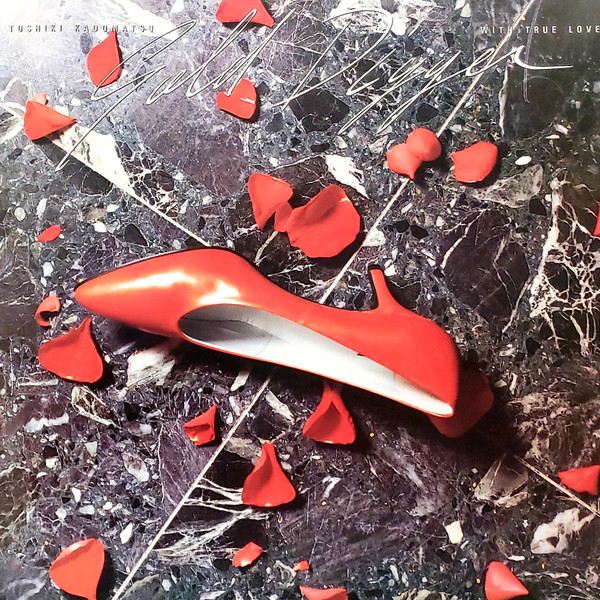
Following the momentum of the success After 5 Clash brought him, Toshiki Kadomatsu (角松敏生) buckled down to further develop his nighttime pop sound inspired by The New York clubbing scene with the release of 1985's Gold Digger~ With True Love~.  To accomplish his vision, Kadomatsu would co-produce this album with  Michael Brauer, a veteran music engineer who's worked with everyone from James Brown to Aerosmith. The album had a bigger emphasis on hip shop elements such as rap, spinning, and scratching, which were all relatively new to the Japanese pop scene at the time. The only other Japanese hip-hop-oriented album at that point was Motoharu Sano's Visitors in 1984. The record also featured talented musicians like the drumming legend Yogi Horton,  saxophonist Jake H. Concepcion, bassist Tomohito Aoki, and backing vocals by city pop singers Noriko Miyamoto and Yurie Kokubu. Gold Digger ended up being his first album to rank in the top 10 of the Oricon album charts.  


THE MUSIC


  1. I Can't Stop The Night  ⭐⭐⭐⭐⭐
  2. Springin' Night  ⭐⭐⭐⭐⭐
  3. Move Your Hips All Night Long  ⭐⭐⭐⭐⭐
  4. Secret Lover ⭐⭐⭐⭐
  5. Melody For You ⭐⭐⭐⭐
  6. Tokyo Tower ⭐⭐⭐⭐⭐
  7. Prajñā (Violence In The Subway) ⭐⭐⭐ 
  8.  Mermaid Princess ⭐⭐⭐⭐⭐
  9.  It's Too Late ⭐⭐⭐⭐ 
  10.  No End Summer ⭐⭐⭐⭐⭐


THE VERDICT


Kadomatsu upped the ante so much that comparing Gold Digger to his previous album, After 5 Clash, is like comparing A New Hope to Empire Strikes Back. Everything you loved about the first entry has been taken up to 11 with an edgier tone. Right off the bat, the record opens up with a woman walking into her significant other cheating on her, and promptly shooting him! A far cry from the sparkly opening guitar riffs we're used to hearing. I can't even think of a Rap album that begins so abruptly! Kadomatsu is basically letting us know that this is the type of party where you boogie like there's no tomorrow, and it definitely delivers with a frontload of consistent bangers, from the hedonistic opening track I Can't Stop the Night, to the funky and bouncy horn section in Springin' Night, to the sexy rocking of Move Your Hips All Night Long. There's definitely a heavier emphasis on hip-hop in this album with various record scratching and scrubbing littered throughout. Secret Lover takes cues from Austrian singer FALCO's hit single "Rock Me Amadeus" and Tokyo Tower features rap verses by Shahiem from the obscure hip-hop group The Infinity Rappers. There's also room for some more familiar City Pop territory, Mermaid Princess is easily one of Toshiki's best ballads, and the closing song, No End Summer is a quintessential nostalgic summer pop tune on par with anything from Tatsuro Yamashita's Big Wave album. Whether you're on the dance floor, or reminiscing at the beach,  Gold Digger~ With True Love~  Toshiki Kadomatsu at his peak in terms of pop music.   


Saturday, March 5, 2022

Fuyü-Kükan (浮遊空間 ) by Tomoko Aran ‎- 1983


Tomoko Aran (亜蘭知子) is a singer-songwriter born in 1958, from Aomori prefecture, Japan. Like many City Pop artists, her interest was in music began as a child after being exposed to American music, for her in particular, the music of Cliff Richard. Since then she started translating the lyrics of her favorite songs by Elton John, T.Rex, The Beatles, and many more, which developed into a passion for songwriting. At the age of 19, she was introduced to producer Daikoto Nagoto(長戸大幸), and joined his production company, Being Co., Ltd. Since then she's built her career as a songwriter composing singles for artists like singer & actor, Junko Mihara(三原 じゅん子), as well the summer rock band, TUBE. On top of that, she also put out solo albums of her own, 9 in total. Her most popular, especially over the internet, was her 1983 release, Fuyü-Kükan(浮遊空間).

This album was produced by Daiko Nagato and Masatoshi Nishimura, who you might know from his collaboration with Harry Hosono on his electronic album, SFX, and with the supergroup, Friends of Earth, which included Nishimura, Hosono, and even the Godfather of Funk, James Brown. Nishimura also has the help of his backing band, Fence of Defence, starring rock guitarist Kenji Kitajima(北島健二) & Drummer Wataru Yamada(山田わたる). Fuyi-Kukan also features saxophonist, Toshihiko Furumura (古村利彦), from The Fuse, backing band of rockstar Shogo Hamada(浜田省吾), jazz bassist Masao Nakajima(中島正雄), and South Korean singer, Ji Sook (서지숙), who goes by Mizuhara Akiko (水原 明子) in Japan. The album features compositions by Nishimura, singer-songwriter Tetsuro Oda(織田哲郎), and composer Masanori Sasaji (笹路正徳)

Fuyu Kukan was one of the many City Pop albums that received new life and international fame in the modern era thanks to the magic of the Youtube algorithm. It was recently sampled by popular Canadian singer, The Weekend, in his new single Out of Time. The album will also be receiving a remaster this month.


THE MUSIC

  1. Body To Body ⭐⭐⭐⭐⭐
  2. Lonely Night⭐⭐⭐⭐
  3. I’m In Love ⭐⭐⭐⭐⭐
  4. Je Re N Ma (Dilemma)⭐⭐⭐⭐⭐
  5. Midnight Pretenders⭐⭐⭐⭐⭐
  6. Summer Tapestry(ひと夏のタペストリー)⭐⭐⭐⭐⭐
  7. Hannya (般若)⭐⭐⭐⭐⭐
  8. Bye Bye Yesterday⭐⭐⭐⭐
  9. Baby, Don’t You Cry Anymore ⭐⭐⭐⭐⭐

THE VERDICT 


Fuyu-Kukan simultaneously feels like an 80s time capsule and yet still boundary-pushing, blending elements of New Wave, disco, and techno into each song, all complemented by Aran's lush sensuous voice.  Essential City Pop numbers like I'm in Love and Midnight Pretenders, provide a smooth and mellow sound that blends R&B and synth-pop perfectly. Body To Body & Lonely Night are epic new wave tracks with some rocking guitar riffs and groovy saxophone solos. Summer Tapestry is the perfect electro-dance track for a poolside party. The ending song, Baby Don't You Cry Anymore, is an epic sentimental piece that gradually evolves into a power ballad. 

Even the really experimental songs are still extremely catchy, like Dilemma, which perfectly encapsulates the feeling of being stuck in a high-stress office environment, with its quirky ambient noises of busy typewriters and frogs(?) accompanied by chiptune synths. 
Hanya is the other off-kilter song with heavy metal guitar riffs on top of a funky electronic beat that sounds like a tame song from a Nina Hagen album, and that's saying a lot! My Japanese is a bit rusty, but I do know the term Hanya actually refers to a type of mask they use in play and Shinto rituals that are known to symbolize the souls of women who have become demons due to obsession or jealousy. Considering the title and the time period, the song may be a commentary on how young women get corrupted by the excessive debauchery of the Buble Era nightlife. 

Tomoko Aran manages to offer the right balance of fresh ideas and familiar feel-good vibes with Fuyü-Kükan. Whether you're looking for something avant-garde or looking for the next groovy dance track to move to, Fuyü-Kükan has something great to offer. Make sure you get the 2022 rerelease that contains remastered songs and a bonus alternate take of Dilemma.

Monday, May 3, 2021

Thru Traffic by Narumi & Etsu -1982 | ALBUM REVIEW


THE HISTORY


The story of this album begins with Tohoku Shinkansen, no not the train line, but rather a singer-songwriter duo consisting of the late Hiroshi Narumi (鳴海寛), and Etsuko Yamakawa (山川恵津子), who also go by Narumi & Etsu. Both of these artists had roots in classical music, but where Yamakawa would begins to draw influence from Group Sounds and wester pop from the 60s, Narumi would venture into the realms of soft rock, R&B, and bossa nova.
Their paths would officially cross at Yamaha Music Foundation which was behind the Popular Song Contest (PopCon). As a young college student, Yamakawa would work part-time at the Yamaha Music Foundation as an office assistant. While there she got to know the staff in the Creative Works "R&D" department, where she met famous composers & arrangers like Mitsuo Hagita, Motoki Funayama, and Osamu Totsuka. While she did her routine duties, she would secretly take a look at the scores that they had created, take notes on some of their techniques and methods.


Before long, Yamakawa was able to work with “Cocky Pop”, a popular radio program sponsored by Yamaha, where she first encountered Hiroshi Narumi. Narumi was still a high school student at the time, but due to his innate talent, he was recognized and his compositions were used as television themes. Copies of his demo tapes eventually made their way to Yamakawa, and she was immediately impressed with his skill as a composer at such young age. Narumi & Etsu would later join the backing band for the female singer-songwriter, Hiroko Taniyama, Etsu as a keyboardist, and Narumi playing the guitar. Narumi's guitar skills would be noticed by his senpai, Makoto Matsushita, and work under him on his 1979 album, Summertime Love Songs.

Soon after, positions opened up in singer-songwriter Junko Yagami’s backing band, The Melting Pot. Narumi & Etsu joined and helped out as both studio musicians, and as stage arrangers for the band. A Yamaha director who had been paying close attention to their work suggested that perhaps the both of them could form their own music unit. Thus began the official duo of Tohoku Shinkansen. While both would handle arrangements and chorus work, Hiroshi Narumi handled the guitar playing on his Gibson Byrdland, Yamakawa was in charge of the arrangement of all of the keyboards along with strings and horns. Other notable musicians on the album included popular anime composer Kentaro Haneda on piano, renowned bassists Tsugutoshi Goto and Kenji Takamizu, drummer Hideo Yamaki from the jazz band Toshinori Kondo & IMA, percussionist Motoya Hamaguchi, and of course, saxophonist Jake H. Concepcion. Junko Yagami herself also joined in the backing vocals, along with British singer-songwriter, Rupert Holmes, and American singer Christine Faith. Singer-songwriter Yasuhiro Abe also provides a song for the album, September Valentine, which he originally wrote for folk artist Yukio Sasaki (佐々木幸男).

While recording the album went comparatively well, the overall production was faced difficulties with alternating staff, disagreements contracts between the duo and the Yamaha Studio, and lack of promotion. Even the odd name of Tohoku Shinkansen came about from the fact that the project's own setbacks mirrored the real-life express trains' own troubled construction. The album eventually released on June 25th, 1982. While it did not sell well and the production disagreements would hurt their relationship with Yamaha, it served as a vital launching point in their careers. A fellow AOR artist, Tatsuro Yamashita, had just released his own seminal album, For You, that same year. When he heard Thru Traffic, he immediately invited Narumi & Etsu to join him as backing vocalists for his live tour.


Narumi also joined Takao Kisugi’s band and would become a producer for artists like Cindy and Kyosuke Kusunoki. His fame grew exponentially later that decade when he participated in Yamashita’s JOY Live Concert in 1989. Harumi's performance on the song “Soubou”, is most notable with his soulful guitar playing. Later on, in 1994, he would put out three more albums with the band Frasco. Meanwhile, Yamakawa also distinguished herself as an arranger and composer, handling a wide area of genres from Jazz Fusion, to AOR, to idol music. In 1986, she would win an award in arrangement for a Kyoko Koizumi song at the Japan Record Awards.

THE MUSIC


  • Summer Touches You: ⭐⭐⭐⭐⭐
    • The album wastes no time and starts off with a smooth summer grove with a Bobby Caldwell rhythm and awesome vocal harmonization done by Hiroshi Narumi.
  • Up And Down: ⭐⭐⭐⭐⭐
    • A smooth jazz number perfect for when you're stuck in traffic, featuring Etsuko's angelic singing, a hypnotizing flute, tight horns, and a groovy guitar solo accompanied by a beautiful string arrangement. The song sneaks a very surprising, split-second cutaway from the music as Narumi & Etsu silently whisper, "up & down" in your ear. 
  • 心のままに (Kokoro no mama ni/ As You Please) :⭐⭐⭐⭐⭐
    • Narumi channels his inner Christopher Cross, to provide a relaxing yacht rock melody accompanied by yet another great string arrangement, some acoustic guitar, and mesmerizing vocal harmonies. 
  • Strange Wine: ⭐⭐⭐⭐⭐
    • A Gino Vanelli-style soft rock ballad about lost love. The song starts off as a soft, sensual ballad where Narumi croons about reminiscing over his ex while getting tipsy, then the instrumentation swells up until finally, he's wailing sorrowfully, as if pleading for forgiveness, over an electric guitar solo.
  • September Valentine: ⭐⭐⭐⭐⭐
    • A jazz lounge ballad of the Frank Sinatra persuasion, featuring beautiful piano playing, a relaxing bassline, and an angelic, Manhattan Transfer style vocal chorus. 
  • 月に寄りそって (Tsuki ni Yorisotte/ Leaning On The Moon): ⭐⭐⭐⭐⭐
    • Narumi & Etsu exchange verses in this romantic R&B duet.  
  • Cloudy: ⭐⭐⭐⭐
    • A relaxing ballad is sung by Etsu with some Michael Franks style bossa nova influences sprinkled in.
  • Spell: ⭐⭐⭐⭐⭐
    • Another Latin-jazz tune, this time as an instrumental complete with a saxophone solo, mesmerizing flutes, and a ghostly sensual background chorus. All tied together with Narumi's excellent jazzy guitar riffs. 
  • Last Message: ⭐⭐⭐⭐
    • The album ends with Etsu's sultry voice lulling us to a 50's style love ballad.

    THE VERDICT

A few years ago I would have told you Ride On Time was my favorite City Pop album of all time. Well, let's just say that my tastes have matured since then. That's not to say it's not one of my favorites, it's still very near and dear to my heart as it has a lot of songs I grew up listening to. But now that the nostalgia glasses are off, I've since discovered other records that represent the peak of City Pop's brilliance, this is definitely one of them. Each song represents a different faction of the easy listening music scene and does so flawlessly. Blending the AOR sensibilities of Gino Vanelli, Bobby Caldwell, in songs like Strange Wine and Summer Touches You, channeling the essence of Bill Chaplinin in Leaning On The Moon, even taking a few pages out of the Great American Songbook with songs like September Valentine & Last Message.

And don't even get me started on the vocals! If you would have told me that this was a collaboration between Makoto Matsushita and Junko Yagami, I wouldn't be the wiser! Narumi & Etsu's singing was top-notch! Narumi's deep voice is just as smooth as the likes of Matsushita or Yoshino Fujimaru, but he's never afraid to hit any high notes. Etsuko Yamakawa has a voice that's so ethereal but manages to sound sultry when it needs to. Thru Traffic is the pinnacle of Japanese AOR and my personal favorite City Pop album. From the aesthetic of the cover to the variety of music styles, everything is done with extreme polish, smarm, & class. If you are a die-hard City Pop fan, then this is a must-have.

Monday, March 22, 2021

Sunshower by Taeko Ohnuki -1977


Taeko Ohnuki (大貫 妙子),  born November 28, 1953, is a female Japanese pop singer, lyricist, and composer. She got her official start in the music industry as part of the pioneering band Sugar Babe in 1975, alongside fellow singer-songwriters, Tatsuro Yamashita (
山下達郎), and Kunio Muramatsu(村松邦男). After the failure of their first and only album, the band broke up and the trio went their own separate ways to find their individual musical identities. Yamashita's journey would take him to New York, to produce his debut album Circus Town, establishing him as Japan's next soul-brother. Muramatsu wouldn't get his next solo album until 1983's Green Water, where he went the pop-rock route. However, Taeko Ohnuki would find her musical voice in her second album released in 1977, Sunshower. 

THE HISTORY


After the breakup of Sugar Babe in 1976, Ohnuki had moved on to Crown Records, under the Panam label,  specialized in releasing folk and New Music (precursor to city pop) records. She released Grey Skies that same year, however, it was mostly an extension of the sound produced by Sugar Babe, as it features many of their unused songs. For her next album, Ohnuki wanted to focus on creating a jazz-fusion sound, which was starting to gain traction in Japan during that time. 

 In order to accomplish this, the album features some major players in the genre. Then up-and-coming session musician, Ryuichi Sakamoto (坂本 龍一), was chosen as the arranger for the album. On bass, the album features Harry Hosono (細野晴臣) and Tsugutoshi Gotō (後藤 次利). On guitar, there's Shigeru Suzuki (鈴木茂), Koichi Hara (原浩一), Kenji Omura (大村憲司), and Kazumi Watanabe (渡辺 香津美). On drums, they got Tatsuo Hayashi (林立夫) as well as American musician Christopher Parker, from the band Stuff, who they met after watching their performance at the Rolling Coconut Review in Tokyo. Even Ohnuki's old band member, Tatsuro Yamashita, provides backing vocals for the album.

Apparently, the record company did not have much faith in Ohnuki's project or new direction. But, with the help and support of Sakamoto, she persisted to go all out on this album, drawing influences from artists like Stevie Wonder and Todd Rundgren, combining it with her personal life experiences growing up in the Suginami Ward of Tokyo, to create catchy but introspective songs. Sunshower was released on July 25th, 1977, and compared to her first album, sales were lackluster. However, that didn't stop the album from being recognized as a J-Pop classic in the coming decades.

THE MUSIC

Side A

  • Summer Connection: ⭐⭐⭐⭐⭐
    • Sunshine Pop in its purest form. A jazzy, uplifting track with cheerful horns, groovy bass, and an uplifting string arrangement, celebrating the season of the sun. The single cut of this song has a faster tempo and more lively drums.
  • Kusuri wo Takusan (くすりをたくさん)| A Lot of Medicine: ⭐⭐⭐⭐
    •  A song that criticized the over-prescription of medicine, which is surprising when you consider how upbeat and cheerful it is, with its joyful flute playing against a mellow samba beat. 
  • Nani mo Iranai (何もいらない) | I don't need anything: ⭐⭐⭐⭐
    •  The song begins with some ominous violins, followed by a deep bass drop to set the tone of this soulful tune about rejecting the environment around you and wanting to escape. The highlight of this song is again the groovy bassline and the classy smooth jazz guitar solo.
  • Tokai (都会) | City: ⭐⭐⭐⭐⭐
    •  A breezy melancholy track about feeling trapped in the mundane cycle of city living. Another mellow smooth jazz arrangement featuring highlights like the stellar synthesizer solo, smooth saxophone, and the ethereal, occasionally eerie backing vocals.
  • Karappo no Isu (からっぽの椅子) | Empty Chair: ⭐⭐⭐⭐
    •   A sad & bluesy jazz ballad about being overcome with loneliness. This song was originally part of Sugar Babe's repertoire and was sung at their final concert in 1976.  

Side B

  • Law Of Nature: ⭐⭐⭐
    • A soft rock composition inspired by Todd Rundgren's Utopia that explores Man's relationship with mother nature.
  • Dare no Tameni (誰のために) | For Whom: ⭐⭐⭐⭐
    • Another Latin influenced track about vulnerability and marginalization through lack of prestige. 
  • Silent Screamer: ⭐⭐⭐⭐
    •  This song is about the desire to escape, too and it's strong that an image of driving a car at a breakneck speed. According to Ohnuki, back then, the energy was quite full and at least in the music, she wanted to run wild.
  • Sargasso Sea: ⭐⭐⭐⭐
    • The unique space age-ambient theme of the mystical Sargasso Sea. The creative use of synthesizers and short piano melodies, help create a futuristic, yet nautical atmosphere of wanderlust.
  • Furiko no Yagi (振子の山羊) | Pendulum of Capricorn: ⭐⭐⭐⭐⭐
    • The finale composed by Ryuichi Sakamoto begins with a symphonic intro, that leads into a progressive jazz-rock ballad where Ohnuki's ghostly vocals describe the end of days for humankind and its eventual reincarnation. The song ends on a funky piano breakdown, accompanied by an epic, bluesy guitar solo as the song fades out until the final thing heard is Ohnuki stating "山羊は その枝を食べた /The goat ate the branch". 

THE VERDICT


Production: ⭐⭐⭐⭐⭐

Vocals:⭐⭐⭐⭐⭐

Arrangement:⭐⭐⭐⭐⭐

Aesthetic:⭐⭐⭐⭐⭐

Memorability: ⭐⭐⭐⭐⭐

Composition:⭐⭐⭐⭐⭐

Wow...just wow. After not hearing the full album in years, this blew me away. Taeko Ohnuki did a superb job of establishing her music identity. Sunshower perfectly balances progressive-pop, art rock, and jazz fusion. Each song is extremely unique and memorable and is arranged in a way that explores different sounds without going too far out of the easy listening territory. The most deviating song in the album is the Sargasso Sea since it's more of a psychedelic ambiance techno piece than anything, but it's still soothing enough to put you ina meditative state. My favorite track being Tokai, with its mellow and somber melody, combine with its anti-metropolitan lyrics, provides a listening experience that's not unlike Marvin Gaye's Innercity Blues, but retains its own identity. 

This brings up an astonishing realization; this is the most anti-city city pop album I've ever heard! Most of the songs are cover the societal problems that come with living in the streets in Tokyo, from over-medication to depression, to obligatory social status, to more heavy topics like man's relationship with nature and existential dread. Yet it's all wrapped in soothing melodies with jazzy pianos, melodic guitar solos, mesmerizing backing vocals, and psychedelic synthesizers. On top of that, Ohnuki's soft, innocent, and ethereal voice really makes you forget that she's singing about the end of all existence by the end of the record. It all starts to make sense when you learn about Taeko Ohnuki's upbringing in Tokyo, and how the post-war economic boom shaped her struggles surviving in the constantly evolving metropolis. I'm pretty confident that Summer Connection is the only happy song on the album, which isn't a bad thing since, despite the lyrical tone shift, the album retains the same breezy and whimsical vibe established by the opening number.

I'm a firm believer that Taeko Ohnuki's Sunshower is one of the rare perfect albums. While I personally think her next album, Mignone, is more approachable, I can't deny that this record is where Ohnuki's creativity was at its peak. Some songs might not be for everyone, but production is solid enough where you leave each song with something worthwhile to talk about, be it the unique and jazzy arrangements or the topical lyrics. Whether you're a fan of City Pop, Jazz, Prog, or Art Rock, Sunshower is a must-have in everyone's record collection. 

Friday, August 7, 2020

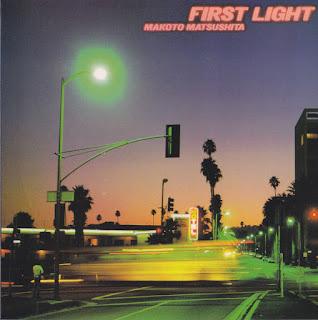
First Light by Makoto Matsushita - 1981


City Pop, specifically Japanese AOR, is a genre of music that pulls from a number of different sources for inspiration, most notably the different genres that makeup 60's pop, including the Motown sound, the Phil Spector-influenced chamber pop, and the singer-songwriter adult contemporary music spearheaded by the likes of, The Righteous Brothers, Carol King, and The Carpenters. However, the most notable influence I hear people point to is the famous jazz-rock fusion band, Steely Dan. Consisting of the duo Walter Becker (guitars, bass, backing vocals) and Donald Fagan (keyboards, lead vocals), Steely Dan was famous for blending elements of rock, jazz, Latin music, R&B, & blues with sophisticated studio production and cryptic, ironic lyrics. There were plenty of artists and bands in Japan that were trying to capture the same style of production found in their music, however, the one musician that came the closest to matching the same quality was Makoto Matsushita (松下誠), with his 1981 solo debut album, First Light.


Makoto Matsushita, born November 16, 1955, is a Japanese singer-songwriter, guitarist, and arranger who's mostly known within the J-AOR realm through his work as part of the band, The AB's. After dropping out of the Yamaha Nem Music Academy at the age of 19, he managed to start his career off as a session guitarist in 1974, playing for artists like Junko Yagami (八神純子), Seiko Matsuda(松田聖子), Mai Yamane (山根麻以), and Eiichi Ohtaki ( 大瀧詠一). Eventually, he started a band called Milky Way in 1979, with pianist Kazuo Nobuta (信田一男), who would eventually help him produce his debut album.

After enough experience as a session musician, Makoto would try his hand as a producer for his debut album. The band on this album consists predominantly of musicians that he has worked with on previous records, including Nobuta on piano and as part of the backing chorus, as well as bassist Yasuo Tomikura (富倉安生), and drummer Masahiro Miyazaki (宮崎正弘). Both would later rejoin Makoto as part of his prog-rock band, Paradigm Shift. New York singer-songwriter Judy Anton, who Makoto arranged music for on her album Smile, helped by providing English lyrics for the most famous song on the album, Love Was Really Gone. There's also the Joe Kato Group, which provides string arrangements for the latter half of the album. It should also be noted that the album also features percussionist Makoto Kimura (木村誠), who also worked with the 1st City Pop band, Sugar Babe, on their album Songs. First Light was released on September 21, 1981. It received two different album covers, the first featuring a stylized photograph of Hollywood Blvd, taken by photographer Kaoru Ijima (伊島薫), later printings received the illustration by Tsutomu Kizawa (木沢勉).


THE MUSIC


1) First Light: Within the first 30 seconds of the album we're treated with a beautiful, glamorous, and funky opening, leading into a funky and groovy AOR track. The groovy energetic guitar riffs combined with the smooth slab bass carry me through the song as Makoto and Nabuo's smooth harmonizing vocals take us on a 1st class plane ride "from the east to the west".

2) One Hot Love: Makoto decides to take us to the streets with this awesome smooth soft rock number that's perfect for a long drive at night. The kick-ass guitar solos and the smooth vocal harmonies in the chorus are the stars of this track.

3) Resort For Blue: Things calm down a bit for a short intermission track that goes for a jazzy resort pop feel. However as the calming guitar riffs make you want to relax by the pool, the rain starts to kick in towards the end, preparing us for the next song.


4) September Rain: The first true slow jam of the album. September Rain sets the mood as Matsushita sings about sudden memories of a lover in the middle of the night, much like the falling rain comes in to signal the end of summer. It also happens to be the only song sung in both English & Japanese.

5) Lazy Night.: The record picks up the pace as Matsushita goes full Steely Dan on this track (even calling them out by name), as the cool drum & bass provide a smooth groove that evokes chill nights in New York City.


6) This Is All I Have For You: Another smooth jazz fusion number accompanied by dreamy synths and a melodramatic orchestral string arrangement.


7) I Know...: As the album reaches its climax, A scene is set up for us with the final intermission track. It's 5 in the morning, as Matsushita confronts a lover about their struggling relationship, only accompanied by a melodramatic piano and a beautiful A Capella arrangement. However, by the end of the song, he decides it's time for them to part ways, which sets the scene for the next song.


8) Love Was Really Gone: Matsushita finds his inner Bobby Caldwell, to provide a classic R&B track. While Caldwell's famous tune, What You Won't Do For Love, is about everything a man will do to keep his relationship, Matsushita sings the aftermath; even after everything he's done to keep the love strong, their relationship was just not meant to be. All of this is accompanied by a smooth bassline, beautiful string arrangements, harmonious backing chorus, and a jazzy piano solo thrown in for good measure. And if that wasn't enough, it all leads up to a beautiful and emotional orchestral outro that evokes the loneliness of a broken heart.

9) Sunset: The final track throws you for a loop with an electronic-sounding intro that seems out of place, but then leads into a smooth track that's equal parts progressive pop and resort pop as Matsushita reminisces about his love as he looks into the sunset. The album closes us out as the wind begins to blow and we are greeted with yet another beautiful orchestral string finale.

THE VERDICT


It's made very clear that Makoto Matsushita's talents as a session musician did not go to waste as he was able to accomplish a feat that's almost impossible to do; create the perfect City Pop album on his first try. Every song feels unique enough while still maintaining the same Steely Dan quality of production throughout the whole thing, making it feel like the perfect anthology of everything great about American AOR and West-coast music. From the Doobie Brothers-inspired soft rock found in One Hot Love, the Donald Fagen style New York fusion evoked in Lazy Night, the Yacht Rock-inspired First Light, all to the Bobby Caldwell style crooning found in September Rain and Love Was Really Gone. We also get a taste of his prog-rock sensibilities in the final track Sunset, a style he would play around with more in his second album, Pressures & Pleasures.

Matsushita manages to arrange everything in a way that feels inspired, but still unique with its own emotions to convey. It really helps that he also had a solid team with him who's already had years of experience working together on other albums. Yasuo Tomikura's smooth bass compliments Matsushita's groovy guitar perfectly, and Nobuta's piano playing and vocal harmonies help give many of the tracks a dreamy relaxing feel. Normally, I find that a lot of City Pop records tend to be front-loaded, however, my favorite part of the record is actually found with the second half, specifically how the songs I Know & Love Was Really Gone set up an extremely cinematic musical experience creating a scene that would feel right at home in a romance movie. Love Was Really Gone is probably one of the best R&B songs, let alone the best example of City Pop, that I've personally ever heard. It has all the essential elements that make J-AOR so inspired while still adding its own unique elements that help it stand out, particularly with the finale. On that note, Matsushita does a really good job singing in both Japanese and English, while not anything fancy, his vocals remain smooth throughout, only really getting emotional towards the end. I was actually surprised at how well I was able to follow along with him on tracks like September Rain, to the point where I think the English version is actually superior to the Japanese version.

Honestly, I'd say First Light is up there with Ride On Time as the perfect City Pop album. While it may feel a bit short (two of its tracks only last between 1 & 2 minutes respectively), First Flight goes for quality over quantity as every track offers its own fulfilling experience and everything flows together nicely. It's an essential part of City Pop's evolution, going on to inspire another City Pop legend and fellow guitarist, Yoshino Fujimaru (芳野藤丸), as they would eventually come together to form The ABs the following year. If you're looking for something new that still fulfills your Yacht Rock needs, this is the perfect record to get. Matsushita summed up the album brilliantly in the first track with the line "From the east to the west", it's the perfect marriage of Japanese songwriting sensibilities and American AOR production.

First Flight is available now on Spotify, but if you want to buy a physical release, the latest reissue is by Warner Music Japan, which you can buy from Light In The Attic Records.


Downtown by EPO - 1980

Back in 1975, a band called Sugar Babe , featuring Tatsurō Yamashita , Taeko Ōnuki , and Kunio Muramatsu , released an album simply titled S...