Showing posts with label SOUL. Show all posts

Monday, August 25, 2025

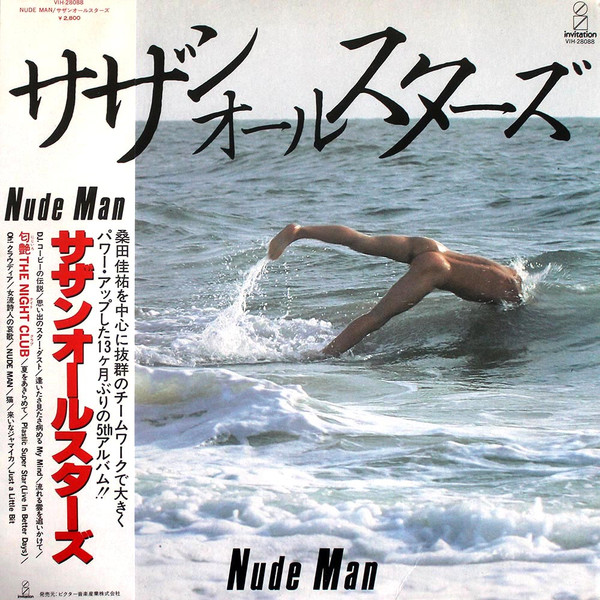
Nude Man by Southern All Stars - 1982


Whenever I talk to Japanese tourists about Shōwa-era music, one band name comes up constantly: Sazan—better known by their full name, Southern All Stars. Led by the charismatic Keisuke Kuwata(桑田佳祐), this Kanagawa-based rock band crafted a unique identity rooted in American rock & roll, Latin music, and highly suggestive lyrics. Arguably, their most famous song is their breakthrough debut single, “Katte ni Sindbad”, which shot into the Top 10 upon its release in 1978.

Their fifth original album, "NUDE MAN," released on July 21, 1982, is considered a landmark album, highlighting their musical evolution. One of the key players in the album's production was Keyboardist Yoshihiro Kunimoto, who played a major role in Sazan's live concerts. Surprisingly, this period also marked the band’s growing interest in songs with socially conscious themes. Despite the album's funky, upbeat sound, some tracks drew inspiration from contemporary issues such as the plight of Japanese war orphans left behind in China and the political scandal of the Lockheed bribery case.

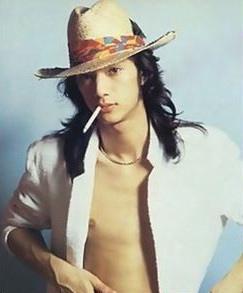
So... we gotta address the naked elephant in the room, and talk about the jacket photo on the album. Captured by photographer Katsuo Hanzawa, it's an image of an Australian hippie with whom Hanzawa lived in a rented fishing hut during a photography trip to India in the early 1970s, encapsulating a sense of freedom and cultural exploration that was synonymous with the band. Kuwata, for whatever reason, found the photograph resonant and amusing, deciding to incorporate it into the album's visual identity with Hanzawa's consent. 

Despite the album's success, lead vocalist Kuwata’s reflections on "NUDE MAN" were mixed. He described the album as "boring" and expressed a lukewarm sentiment towards some of the songs. Yet, he also acknowledged the creative liberation the album afforded him, stating that it allowed him to pursue musical endeavors that were previously out of reach. Kuwata also recognized the album's pivotal role in shaping the band’s image, suggesting that it solidified the Southern All Stars’ identity as synonymous with summer, for better or worse. 

THE MUSIC

  1. Oh! Claudia⭐⭐⭐⭐
  2. The Legend of DJ Kobe (D.J.コービーの伝説) ⭐⭐⭐⭐
  3. Memories of Star Dust (思い出のスター・ダスト)⭐⭐⭐⭐
  4. Giving Up On The Summer (夏をあきらめて)⭐⭐⭐⭐⭐
  5. Chasing the Flowing Clouds (流れる雲を追いかけて)⭐⭐⭐⭐⭐
  6. Rainbow Coloured The Night Club 匂艶The Night Club ⭐⭐⭐⭐⭐
  7. "I've met you, I've seen you, my sick mind" 逢いたさ見たさ病める My Mind⭐⭐⭐⭐
  8. Plastic Super Star (Live In Better Days)⭐⭐⭐⭐⭐
  9. Lamentations of a Female Poet 女流詩人の哀歌⭐⭐⭐⭐⭐
  10. Nude Man ⭐⭐⭐⭐
  11. Cat 猫⭐⭐⭐
  12. Come Jamaica 来いなジャマイカ⭐⭐⭐⭐
  13. Just A Little Bit⭐⭐⭐⭐⭐

THE VERDICT 


When it comes to summer pop in Japan, names like Tube or Omega Tribe are usually the first to surface. Omega Tribe and Southern All Stars (SAS), in many ways, are the premier summer bands; however, their differences are perfectly articulated by prolific songwriter & producer Tetsuji Hayashi:

“If Southern All Stars is a beach house, then Omega Tribe is a bistro. The former can go anywhere in the country, even if there is a curtain of ice. But the latter is pretty much restricted to Shōnan or Suma. That’s where SAS’s strength lies.”

Where Omega Tribe is bound to a single, summer vibe, SAS thrives on flexibility, which allows them to remain fresh long after the season fades. Their 1982 album Nude Man embodies this versatility—a strange yet addictive collage of Southern rock, disco, 1960s soul, and Latin influences, all anchored by Keisuke Kuwata’s bluesy, soulful vocals.

One of the album’s standouts, “Natsu o Akiramete” (夏をあきらめて), has become one of SAS’s most enduring ballads, a breezy anthem of summer love. Remarkably, Kuwata recorded the vocal while suffering from a TMJ disorder—yet it still shines as one of his best performances. “Chasing the Flowing Clouds” (流れる雲を追いかけて) offers a somber honky-tonk ballad telling the story of a mother enduring hardship in war-torn Manchuria. While it's a beautiful song by itself, it's extremely jarring, as it is immediately followed by “Nijiiro The Night Club”, the album’s showstopper: a bombastic, Latin-flavored track brimming with strings, brass, and layered vocals that perfectly encapsulate SAS’s signature sound. Then there’s “Koi na Jamaica” (来いなジャマイカ)—a tongue-in-cheek reggae cut that’s as provocative as it is goofy, with the lyrics cheekily name-dropping Marley, Jagger, and Ray Parker Jr., while rhyming “erection” with “connection.” While each song varies in tone, you can tell that they were constantly looking for new ways to go all-out in the studio, Plastic Super Star being the perfect example, as it's produced to sound like a live concert, Kuwata went so far as to invite dozens of students from Aoyama Gakuin University, his old stomping grounds, to serve as the rowdy audience.

Listening to Nude Man is like wandering through a raucous summer festival: eclectic, noisy, a little messy, but utterly unforgettable. This record is a testament to Southern All Stars’ ability to pivot between genres while always sounding unmistakably like themselves.
Saturday, March 11, 2023

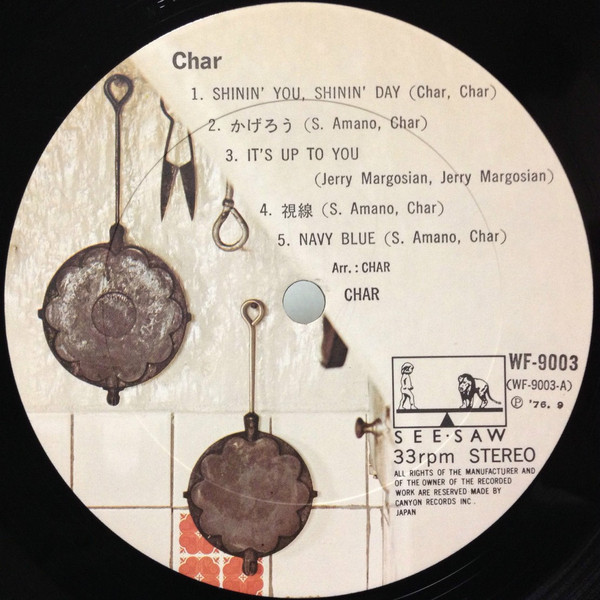
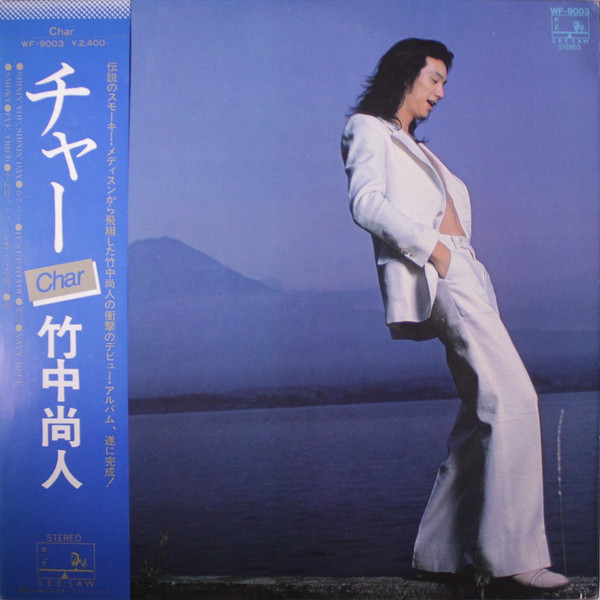
Char by Char - 1976


I've said before that Japan has no shortage of guitar legends, one of the best ones from the 70s has to be Hisato Takenaka(竹中尚人), who would be known more famously by his stage name, Char. Born in 1955 in Shinagawa Ward, Tokyo, Char started his musical journey learning piano in elementary school. It wasn't until he was inspired by Eric Clapton, that he would end up hooked on the guitar at 8 years old. In junior high, Char began work as a session guitarist, and at 17, he formed the band Smoky Medicine in 1973 with Mari Kaneko. Although the band only lasted a year, it garnered much media attention. In '76, Char eventually signed up with Canyon Records and released his debut single "Navy Blue" followed by his debut album CHAR which came out in September of that year. The album featured composer and keyboardist, Jun Sato, as well as various American sessions musicians like Rob Brill (drums), George Mastrich (bass), and keyboardist Jerry Margosian, who also provided lead vocals on two of the album's songs,  "It's Up to You"  and "I Tried".

THE MUSIC


  1. Shinin' You, Shinin' Day ⭐⭐⭐⭐⭐
  2.  かげろう  ⭐⭐⭐⭐⭐
  3. It's Up To You ⭐⭐⭐⭐
  4. 視線 ⭐⭐⭐⭐
  5.  Navy Blue ⭐⭐⭐⭐⭐
  6.  Smoky ⭐⭐⭐⭐⭐
  7.  I've Tried ⭐⭐⭐⭐⭐
  8.  空模様のかげんが悪くなる前に ⭐⭐⭐⭐⭐
  9.  かげろう ⭐⭐⭐⭐


THE VERDICT


Char's eponymous album is a fantastic introduction to one of Japan's premier guitar heroes. Showcasing a unique blend of jazzy, bluesy, psychedelic-funk rock reminiscent of Cream and The Sons of Chaplin, with a dash of Jimi Hendrix. Some of my favorite songs include "Shining You, Shining Day", a summary Sunshine-Pop shuffle not unlike something from Lovin' Spoonful. There's also "Kagerou", a funky jazz-rock number that features some awesome Stevie Wonder-style clavinet playing and a breezy backing chorus. The album is also littered with epic, groovy guitar solos, my favorites being in the fast-paced funk number, "Smokey", which sounds like Jeff Beck going into hyper speed, and the sorrowful countertop blues ballad, "I Tried", sang by  Jerry Margosian . Speaking of which, man, did Jerry sure as heck take me to church on both of his songs. Char himself is no slouch of a singer either, showing off his soulful singing chops in both English and Japanese. Both singer's have a vocal style reminiscent of Bill Chaplin, who I'm a big fan of.  If you are someone who loves 70's rock, then this is the album for you. CHAR is one of the few Japanese albums from the 70s that I would say could have hung with the best of its western counterparts. 


Thursday, March 9, 2023

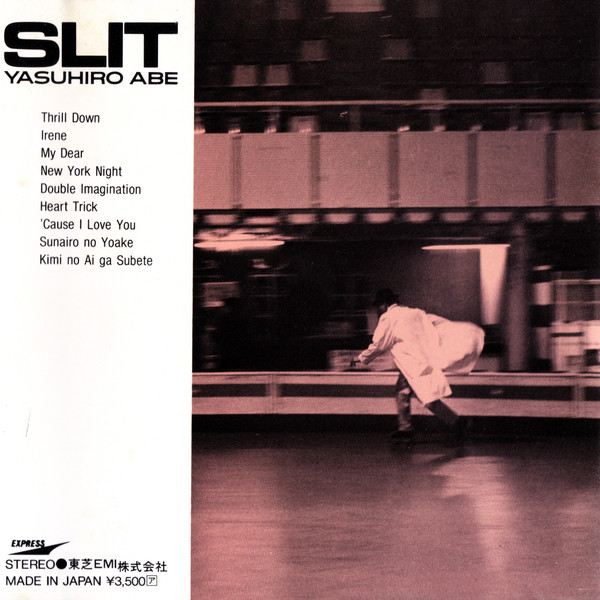
Slit by Yasuhiro Abe - 1984


Yasuhiro Abe (安部恭弘), born January 13, 1956, is a Japanese singer-songwriter. While studying at Waseda University towards a degree in architecture, he started pursuing music on the side. He began his career writing for other singers such as Junichi Inagaki and Mariya Takeuchi, but the success of Akira Terao’s 1981 hit “Ruby no Yubiwa” inspired Abe to become a singer as well. He debuted as a solo artist with his hit single, "We Got It!" in 1982 under Toshiba EMI, as part of their\ "New Wave Four" campaign to promote their new artists debuting that year ( Junichi Inagaki, Yasuhiro Abe, Yudai Suzuki,  & Akira Inoue ).

 Slit is Abe's 3rd album released in 1984, produced by electronic jazz-fusion composer, Nobuyuki Shimizu. The album also features prolific session musicians like saxophonist Jake H. Concepcion, drummer Shuichi Murakami, who often goes by "Ponta", bassist Yasuo Tomikura, who's performed with artists like Jun Fukamachi, and fellow City Pop crooner, Makoto Matsushita.


THE MUSIC

  1. Thrill Down ⭐⭐⭐⭐
  2. Irene ⭐⭐⭐⭐⭐
  3. My Dear ⭐⭐⭐
  4. New York Night ⭐⭐⭐⭐⭐
  5. Double Imagination ⭐⭐⭐
  6. Heart Trick ⭐⭐⭐⭐⭐
  7. Cause I Love You ⭐⭐⭐⭐
  8.  Sand Colored Dawn (砂色の夜明け) ⭐⭐⭐⭐
  9. Your Love is Everything (君の愛がすべて) ⭐⭐⭐

THE VERDICT 


While Slit isn't a groundbreaking album, everything on here is still catchy, slick, and well-produced. You can tell that Yasuhiro Abe took a lot of inspiration from Canadian Producer & Songwriter, David Foster. Songs like "Irene" and "New York Night" are jazzy, breezy soul numbers reminiscent of songs like "Breakin' Away" by Al Jarreau or "Nothin' You Can Do About It" by Airplay. "Heart Trick" is an exciting AOR number with hints of New Wave, a perfect tune for cruising down the freeway. "Cause I Love You" provides some pleasant swing jazz-inspired synth-pop. The ballads here are nice too, my favorite being "Sand Colored Dawn", with Abe's smooth, soft voice paired with the beautiful piano playing. Speaking of his voice, Abe's singing actually reminds me a lot of Kiyotaka Sugiyama, it's a deep but breezy calm voice that's comforting to listen to. Overall, Slit is a pretty standard city pop album, but one you won't regret adding to your collection.

Tuesday, March 7, 2023

Painted Woman by Masaki Matsubara (1983)


Japan is filled with various talented guitar virtuosos. Most people immediately point to Masayoshi Takanaka when mentioning Japanese guitarists. However, another great guitarist in the Japanese pantheon is Masaki Matsubara, who's considered one of the most prolific sessions guitarists ever.

Born in 1954 in Takefu City, Fukui Prefecture (now Echizen City), Matsubara Started playing the trombone in a brass band when he entered junior high school. During his second year of junior high, he would discover his love of the guitar and become absorbed in band activities. After graduating from high school, he entered the Nemu Music Academy (located in Nemu no Sato, Mie Prefecture at the time), but moved to Tokyo half a year later on the advice of his teacher. After graduating college and working in a US military camp band, he became a prolific studio musician throughout the late 70s' & 80s', participating in over 10,000 recordings.

Masaki Matsubara's most popular project, at least in City Pop circles, would have to be his 4th album from November 1983, Painted Woman. The album features the vocal talents of AOR singer Eric Tagg and the Okinawan sister trio Eve. The session band includes the talents of Jake Conception (sax), Hiroshi Shinkawa (synths), percussionist Nobuo Saito, and bassist Mike Dunn. coincidentally the latter two would join Matsubara in the jazz fusion band Parachute.

THE MUSIC


  1. Make It With Me⭐⭐⭐
  2. Night Scanners ⭐⭐⭐⭐⭐
  3. Shining Star ⭐⭐⭐⭐⭐
  4. Silly Crush ⭐⭐⭐⭐⭐
  5. Tequila Toast ⭐⭐⭐⭐⭐
  6. S.O.S. (Society Of Soul) ⭐⭐⭐⭐
  7. Painted Woman⭐⭐⭐⭐⭐
  8. Sunset Lullaby ⭐⭐⭐⭐
  9. Pacific Coast Highway ⭐⭐⭐⭐
  10. Sky High ⭐⭐⭐⭐⭐

VERDICT 


If I wanted to sum up Painted Woman with one word; classy. Everything about the album oozes sophistication and swagger, from the front album cover to the moment the needle drops and you hear that groovy guitar accompanied by a thumping beat in "Make it With Me". Masaki Matsubara's masterful smooth guitar chops shine all the way through every track. It's also a nice balance between instrumental tracks and vocal heavy ones. Sometimes the album decides it wants to be a Quincy Jones production, with songs like "Shining Star" sounding straight off  The Dude. Other times it feels like a Kenny Loggins album, thanks to the smooth vocals of Eric Tagg in songs like "Silly Crush" and "Painted Woman" and half the time it sounds like something Masayoshi Takanaka or T-Square would have put together. But no matter what, it pulls it off with nigh-perfection. If you want to experience the best of Japanese fusion, Masaki Matsubara's Painted Woman  is one of the best options there is.

Monday, March 6, 2023

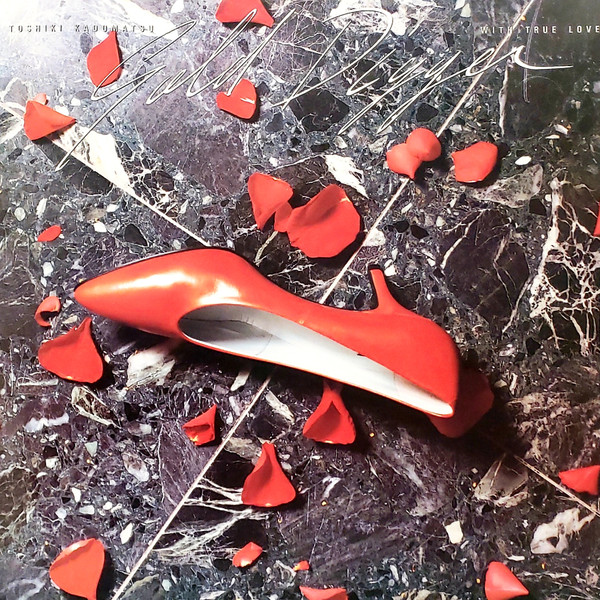
Gold Digger~ With True Love~ by Toshiki Kadomatsu 1985


Following the momentum of the success After 5 Clash brought him, Toshiki Kadomatsu (角松敏生) buckled down to further develop his nighttime pop sound inspired by The New York clubbing scene with the release of 1985's Gold Digger~ With True Love~.  To accomplish his vision, Kadomatsu would co-produce this album with  Michael Brauer, a veteran music engineer who's worked with everyone from James Brown to Aerosmith. The album had a bigger emphasis on hip shop elements such as rap, spinning, and scratching, which were all relatively new to the Japanese pop scene at the time. The only other Japanese hip-hop-oriented album at that point was Motoharu Sano's Visitors in 1984. The record also featured talented musicians like the drumming legend Yogi Horton,  saxophonist Jake H. Concepcion, bassist Tomohito Aoki, and backing vocals by city pop singers Noriko Miyamoto and Yurie Kokubu. Gold Digger ended up being his first album to rank in the top 10 of the Oricon album charts.  


THE MUSIC


  1. I Can't Stop The Night  ⭐⭐⭐⭐⭐
  2. Springin' Night  ⭐⭐⭐⭐⭐
  3. Move Your Hips All Night Long  ⭐⭐⭐⭐⭐
  4. Secret Lover ⭐⭐⭐⭐
  5. Melody For You ⭐⭐⭐⭐
  6. Tokyo Tower ⭐⭐⭐⭐⭐
  7. Prajñā (Violence In The Subway) ⭐⭐⭐ 
  8.  Mermaid Princess ⭐⭐⭐⭐⭐
  9.  It's Too Late ⭐⭐⭐⭐ 
  10.  No End Summer ⭐⭐⭐⭐⭐


THE VERDICT


Kadomatsu upped the ante so much that comparing Gold Digger to his previous album, After 5 Clash, is like comparing A New Hope to Empire Strikes Back. Everything you loved about the first entry has been taken up to 11 with an edgier tone. Right off the bat, the record opens up with a woman walking into her significant other cheating on her, and promptly shooting him! A far cry from the sparkly opening guitar riffs we're used to hearing. I can't even think of a Rap album that begins so abruptly! Kadomatsu is basically letting us know that this is the type of party where you boogie like there's no tomorrow, and it definitely delivers with a frontload of consistent bangers, from the hedonistic opening track I Can't Stop the Night, to the funky and bouncy horn section in Springin' Night, to the sexy rocking of Move Your Hips All Night Long. There's definitely a heavier emphasis on hip-hop in this album with various record scratching and scrubbing littered throughout. Secret Lover takes cues from Austrian singer FALCO's hit single "Rock Me Amadeus" and Tokyo Tower features rap verses by Shahiem from the obscure hip-hop group The Infinity Rappers. There's also room for some more familiar City Pop territory, Mermaid Princess is easily one of Toshiki's best ballads, and the closing song, No End Summer is a quintessential nostalgic summer pop tune on par with anything from Tatsuro Yamashita's Big Wave album. Whether you're on the dance floor, or reminiscing at the beach,  Gold Digger~ With True Love~  Toshiki Kadomatsu at his peak in terms of pop music.   


Friday, March 4, 2022

American Albums for Japanese City Pop Fans Part 1


The audience for City Pop has rapidly grown over the past decade or so. It went from an internet fad to a full-blown niche culture where people get together and congregate over their love of old Japanese music. Here in LA, we have several local DJ groups, like Tune In Tokyo, and the aptly named Timely, that host regular events that play nothing but old-school Japanese records at parties and clubs.  I've talked to a few people who insist that they listen to Japanese City Pop as opposed to American pop because in their minds it's superior. I'm not one to knock people's musical tastes but I think we often forget that the foundation for what we recognize as City Pop is western music, especially in the realms of adult & urban contemporary genres. That's why for those people, and really everybody, I'd like to recommend some records to check out if you enjoy the smooth sounds of City Pop. 


Dixie Chicken by Little Feet - 1973


Little Feat is an American rock band formed by singer-songwriter and guitarist Lowell George and keyboardist Bill Payne in 1969 in Los Angeles. Their music is heavily rooted in Country and roots rock, but with the release of their 3rd album, Dixie Chicken, they began to mix that sound with New Orleans R&B-inspired funk. This distinct mix can be heard in the works of Haroumi Hosono and his band Tin Pan Alley, of course, they would put a greater emphasis on Jazz-fusion on top of that. Lowell George in particular left a huge impression on guitarist Shigeru Suzuki, who along with his bandmates from Happy End, was lucky enough to witness the recording of their second album, Sailing Shoes. If you enjoyed albums like Hosono House, Bandwagon, or HORO, basically any early Tin Pan Alley production, Dixie Chicken is right up your alley (pun intended).


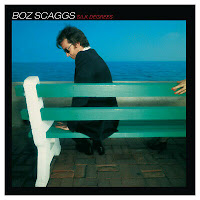
Silk Degrees by Boz Scaggs - 1976

Boz Scaggs may be dismissed nowadays as an atypical example of blue-eyed-soul and cheesy Yacht Rock, however, he was a smash it in Japan. His seminal album Silk Degrees alongside records like Breezin' by George Benson(1976), and Sleeping Gypsy(1977) by Michael Franks,  during this time period that would influence Japan's definition of what they considered "city music'' that is music that evoked the urban, easy-going lifestyle, especially songs like The Lowdown and  Lido Shuffle. Artists like folk duo Kaze, and Ginji Ito in his debut album, would use Silk Degrees as an influence in their transition into City Pop. Also if it weren't for Silk Degrees we wouldn't have the band...

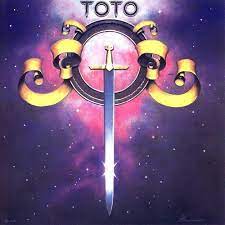
TOTO by Toto - 1978

A majority of City Pop's sound is inspired by the music scene of the West Coast sound, and back in the 70s and 80s, no other musicians symbolized this sound more than Toto. The members of Toto contributed to many of the most popular records of the 1970s, backing up artists like Steely Dan, Seals and Crofts, Boz Scaggs, Sonny and Cher, and many others. It wasn't until the album, Silk Degrees, that the original lineup recognized the synergy they had and decided to form their own band in 1977. The original band consisted of lead vocalist Bobby Kimball, guitarist and vocalist Steve Lukather, keyboardist and vocalist David Paich, bassist David Hungate, keyboardist Steve Porcaro, and drummer Jeff Porcaro.  Toto's debut album showcases their crisp production, tight musicianship, and chameleonic ability to tackle different music genres. Their influence can be heard throughout the entire spectrum of Japanese music in the late 70s & 80s, from rock stars like Masahiro Kuwana, to bands like The AB's, Shogun, and Off Course. On top of that, they have contributed to the productions of our favorite City Pop singers as well like Mariya Takeuchi, and Amii Ozaki.

Niteflyte by Niteflyte - 1979

If you ever wondered where that magical opening guitar riff from Tatsuro Yamashita's Sparkle came from, look no further than the opening track from Nyc Flyte's eponymous album. The Miami funk band led by Howard Johnson and Sandy Torano only released 2 albums on Ariola Records in 1979 & 1980. But in those records, you can hear the sweet summery soul vibes that would go on to influence artists like Tatsuro Yamashita, Toshiki Kadomatsu, and Kiyotaka Sugiyama & Omega Tribe.


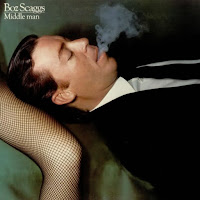
Middle Man by Boz Scaggs - 1980

Boz Scaggs 1980 album was another big hit in Japan, selling way more than Silk Degrees ever did. Another Toto backed album with production & songwriting help from David Foster, Middle Man was another one of the albums that sparked the imaginations of Japanese people with a glamourous vision of an American City, with songs like Jojo and You Can Have Me Anytime (In japan named Twilight Highway) that have influenced artists like Tetsuji Hayashi, Akira Terao, Eri Kojima, and Kingo Hamada.


Thursday, February 17, 2022

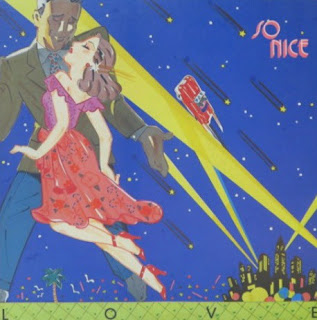
Love by So Nice - 1979


Sugar Babe was a band starring Tatsuro Yamashita(山下達郎), Taeko Ohnuki (大貫妙子), and Kunio Muramatsu (村松邦男),  that's considered legendary in today's time for creating the modern sound of City Pop with their one and only album, SONGS. Unfortunately during the time they were active they were not a commercially successful band, due to that and creative differences with the members, they broke up without making a follow-up album. While we may never know what a true 2nd Sugar Babe album would sound like, one amateur band would take the challenge of creating an unofficial sequel to SONGS; So Nice, with their 1979 album, LOVE.


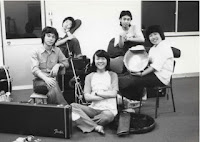
While Sugar babe was active, a majority of their fanbase was college students. One of these college students was Katsuyuki Kamakura who entered Nihon University College of Art on May 24, 1975.  Kamakura was impressed with Sugar Babe's performance at the Tin Pan Alley Festival at Nakano Sunplaza in Tokyo. Kamakura, inspired to create songs that incorporated Tatsuro's composition techniques, formed his own band through the Folk Music Club at his school, called So Nice. The name So Nice came from the lyrics of a Minako Yoshida (吉田美奈子) song from her 1976 album FLAPPER, "Rum wa O-suki?" (ラムはお好き?... Do You Dig Rum?). Kamakura was the front-man and lead singer alongside female vocalist Misako Matsushima. Throughout their early years, they gave small concerts on campus performing covers of songs by Sugar Babe and Tatsuro Yamashita. Upon the band's graduation from the university in 1979, they issued their lone full-length album, LOVE, comprised of fully original material, in an extremely limited private press of 200 copies.


CREDITS


Drums - Nobuhide Mori(森信英)
Bass - Yoshiaki Takeuchi(竹内嘉章)
Hideaki Chounan (長南秀明)
Keyboard - Koji Yoshida(吉田浩二)
Guitar, Vocals - Katsuyuki Kamakura (鎌倉克行)
Piano, Vocals - Misako Matsushima (松島美砂子)
Vocals - Hiromi Nakamura (仲村裕美)
Guitar - Masahiko Tsuboi(坪井正彦)
Piano - Hiroyuki Miyaguchi (西口博行)


THE MUSIC

  1. So Nice: ⭐⭐⭐⭐⭐

  2. 光速道路 [Kōsoku dōro / Lightspeed Highway]: ⭐⭐⭐⭐

  3. Last Kiss: ⭐⭐⭐

  4. 陽だまり [Hidamari / Sunny Spot]: ⭐⭐

  5. Tight Night: ⭐⭐⭐⭐⭐

  6. Love Sick: ⭐⭐⭐

  7. かけぬける風 [Kakenukeru kaze / Crossing the Wind]: ⭐⭐⭐⭐⭐

  8. Earth Mover: ⭐⭐⭐⭐⭐

  9. 別離 (わかれ) [Betsuri (Wakare) / Parting]: ⭐⭐⭐⭐

  10. Dancing All Night Long: ⭐⭐⭐


THE VERDICT:


LOVE certainly feels like listening to a long-lost Sugar Babe album. It’s very clear that the compositions, at least at the beginning of the album, are pastiches of Sugar Babe songs. Unfortunately, it makes their sound feel antiquated compared to other records that came out during this same time period. However, unlike SONGS, LOVE has a mellower, jazzier, nighttime sound and aesthetic that creates a greater sense of continuity between tracks, making it much more enjoyable to listen to. 

The intro simply called So Nice, is simply beautiful and mesmerizing, reminiscent of the Acappella/doo-wop intro from Eiichi Ohtaki's debut album. Lightspeed Highway sounds like they combined elements Downtown and Somehow Today (今日はなんだか) to create a high octane soft rock song about driving through the city at night. The acoustic love ballad, Last Kiss, is a beautiful homage to Days Gone "60's Dream",  with an extra layer of depth thanks to the backing chorus and ocean ambiance in the background. It also helps that Kamakura sounds eerily similar to Yamashita himself. Matsushima serves well as an analog to Taeko Ohnuki, her best one being Tight Night, a cool jazz-rock number accentuated by its funky bassline and groovy piano melody. 


The band starts coming into their own in the latter part of the record, with songs like Crossing The Wind, resembling something closer to Circus Town or Spacy. There's a great use of synths here that blend in well with the cold mysterious atmosphere of the song. Then there's my favorite song, Earth Mover, a breakup song that straddles the line between, funk, and slow surf rock. Parting is a lovely sounding 60s style ballad with great harmonies coming from both Kamakura and Matsushima. Dancing All Night Long closes off the album with a full-on Latin-tinged dance number that builds up to another doo-wop-style harmony.   


Overall, LOVE proves to be a worthy successor to SONGS. It carries on that Sugar Babe charm with an extra layer of pazazz.  It's got great compositions that build on what made SONGS good in the first place and in many ways enhance it. It's also just a damn good album on its own merits. It's a nice blend of soft rock & jazz. The cheaper self-production doesn't really hinder the music for me since the compositions are so strong, to begin with, and the band members are all clearly putting in 100%. If anything the amateur production gives it a slight garage rock feel to it. LOVE is a hidden gem that should be in everyone's City Pop collection.

Thanks to the resurgence of City Pop's popularity, So Nice has made a comeback doing what they did decades ago; covering Tatsuro Yamashita songs while occasionally coming out with really good original music. They came out with a single in 2018 called Sunday Summer Train (日曜日のサマートレイン). They've even done some live performances with former Sugar Babe member, Kunio Muramatsu! Things seem to be looking up for this underrated City Pop band, and I would highly encourage showing your support by buying a reissue of So Nice today. Preferably the 2018 Limited Edition with all of the Bonus songs.

Downtown by EPO - 1980

Back in 1975, a band called Sugar Babe , featuring Tatsurō Yamashita , Taeko Ōnuki , and Kunio Muramatsu , released an album simply titled S...