
Showing posts with label 1976. Show all posts

Saturday, August 16, 2025

Windless Blue by Kaze - 1976


It wasn’t unusual in the 70s for American folk and rock acts to pivot into softer rock and AOR. The same shift was taking place in Japan, a prime example being the folk duo Kaze(風), formed by Shōzō Ise (伊勢正三) and Kazuhisa Ōkubo (大久保一久). They debuted in 1975 with “22-Year-Old Farewell” (22才の別れ), a heartfelt reworking of a song Ise had originally written during his tenure with the folk trio Kaguyahime.
With their first two albums, Kaze quickly established themselves in Japan’s booming folk-pop scene, guided by the steady hand of arranger Ichizō Seo (瀬尾一三), who shaped much of their early material. But by the mid-70s, both Seo and Ise had fallen under the spell of American AOR — sleek, urbane sounds pioneered by artists like Boz Scaggs, Orleans, and Steely Dan. This influence pushed the group to broaden their sonic palette and aim for a more polished, contemporary sound.
The result was WINDLESS BLUE, released in November 1976. Returning as producer and arranger, Seo surrounded the duo with top-tier talent: jazz saxophonist Takeru Muraoka (村岡健), prolific percussionist Nobu Saito (斉藤信男), and pianist Kentaro Haneda (羽田健太郎), who would later gain acclaim for his anime soundtrack work.


THE MUSIC 

  1. The Woman Who Rests Her Chin in Her Hand (ほおづえをつく女/Hoozue o Tsuku Onna) ⭐⭐⭐⭐

  2. Highway at Night (夜の国道 / Yoru no kokudō) ⭐⭐⭐⭐⭐

  3. Turn Left on Route 3 (3号線を左に折れ / 3-Gōsen o hidari ni ore) ⭐⭐⭐

  4. An Afternoon on the Journey (旅の午後 / Tabi no gogo) ⭐⭐⭐⭐

  5. Passing Shower (通り雨 / Tōriame) ⭐⭐⭐⭐⭐

  6. Afternoon Street 25 (アフターヌーン通り25 / アフターヌーン通り25) ⭐⭐⭐⭐

  7. Small Hands (小さな手 / Chīsana te) ⭐⭐⭐⭐

  8. The Town Where You Can See the Horizon (地平線の見える街 / Chiheisen no mieru machi) ⭐⭐⭐⭐

  9. The Youth I Walked with You (君と歩いた青春 / Kimitoaruitaseishun) ⭐⭐⭐

  10. Before I Realized It (ふっと気がつきゃ / Futto kigatsukya) ⭐⭐⭐⭐

  11. Just a Little Baggage (少しだけの荷物 / Sukoshidake no nimotsu) ⭐⭐⭐


THE VERDICT


Listening to Windless Blue feels like stumbling across a long-lost Seals & Crofts record. Tracks like “Hoozue o Tsuku Onna” (The Woman Who Rests Her Chin in Her Hand) and “Tōriame” (Passing Shower) highlight Kaze’s knack for weaving West Coast–style soft rock into the fabric of Japanese folk. The album’s crown jewel is easily “Yoru no Kokudō” (Highway at Night). Its groovy mid-tempo pulse and rich vocal harmonies evoke the unmistakable mood of a nighttime coastal drive — windows down, salt air rolling in, headlights stretching endlessly down the highway. You can play this track right alongside "Babylon Sisters" by Steely Dan and not bat an eye. While your average American listener might not immediately connect folk music to the emergence of City Pop, Windless Blue makes the case effortlessly. Its breezy, sophisticated arrangements mark a clear turning point in the mid-70s, pushing Kaze beyond their folk-pop beginnings and into a more refined, urban soundscape.
Saturday, March 11, 2023

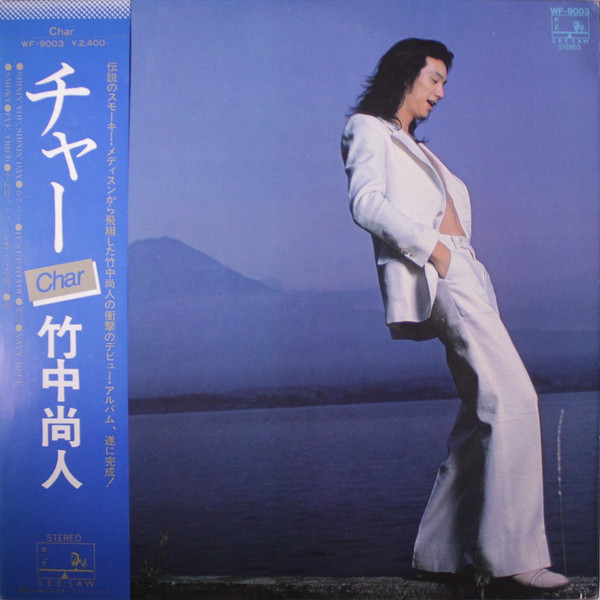
Char by Char - 1976


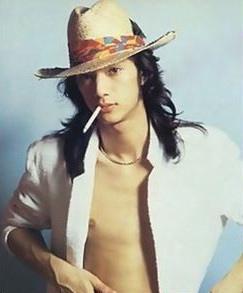
I've said before that Japan has no shortage of guitar legends, one of the best ones from the 70s has to be Hisato Takenaka(竹中尚人), who would be known more famously by his stage name, Char. Born in 1955 in Shinagawa Ward, Tokyo, Char started his musical journey learning piano in elementary school. It wasn't until he was inspired by Eric Clapton, that he would end up hooked on the guitar at 8 years old. In junior high, Char began work as a session guitarist, and at 17, he formed the band Smoky Medicine in 1973 with Mari Kaneko. Although the band only lasted a year, it garnered much media attention. In '76, Char eventually signed up with Canyon Records and released his debut single "Navy Blue" followed by his debut album CHAR which came out in September of that year. The album featured composer and keyboardist, Jun Sato, as well as various American sessions musicians like Rob Brill (drums), George Mastrich (bass), and keyboardist Jerry Margosian, who also provided lead vocals on two of the album's songs,  "It's Up to You"  and "I Tried".

THE MUSIC


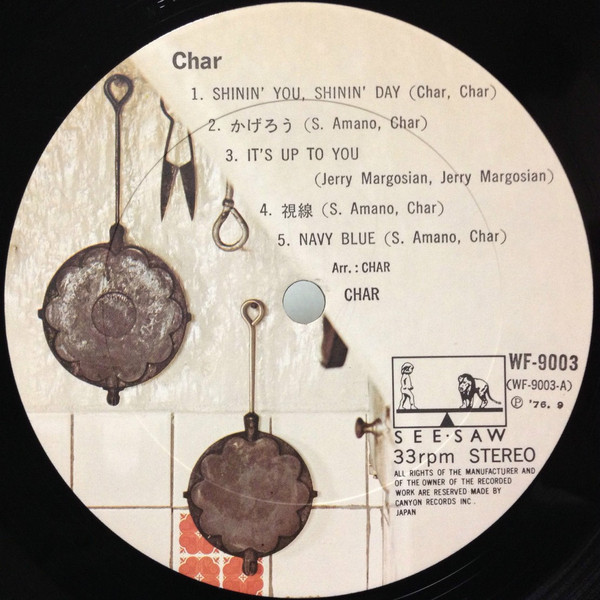
  1. Shinin' You, Shinin' Day ⭐⭐⭐⭐⭐
  2.  かげろう  ⭐⭐⭐⭐⭐
  3. It's Up To You ⭐⭐⭐⭐
  4. 視線 ⭐⭐⭐⭐
  5.  Navy Blue ⭐⭐⭐⭐⭐
  6.  Smoky ⭐⭐⭐⭐⭐
  7.  I've Tried ⭐⭐⭐⭐⭐
  8.  空模様のかげんが悪くなる前に ⭐⭐⭐⭐⭐
  9.  かげろう ⭐⭐⭐⭐


THE VERDICT


Char's eponymous album is a fantastic introduction to one of Japan's premier guitar heroes. Showcasing a unique blend of jazzy, bluesy, psychedelic-funk rock reminiscent of Cream and The Sons of Chaplin, with a dash of Jimi Hendrix. Some of my favorite songs include "Shining You, Shining Day", a summary Sunshine-Pop shuffle not unlike something from Lovin' Spoonful. There's also "Kagerou", a funky jazz-rock number that features some awesome Stevie Wonder-style clavinet playing and a breezy backing chorus. The album is also littered with epic, groovy guitar solos, my favorites being in the fast-paced funk number, "Smokey", which sounds like Jeff Beck going into hyper speed, and the sorrowful countertop blues ballad, "I Tried", sang by  Jerry Margosian . Speaking of which, man, did Jerry sure as heck take me to church on both of his songs. Char himself is no slouch of a singer either, showing off his soulful singing chops in both English and Japanese. Both singer's have a vocal style reminiscent of Bill Chaplin, who I'm a big fan of.  If you are someone who loves 70's rock, then this is the album for you. CHAR is one of the few Japanese albums from the 70s that I would say could have hung with the best of its western counterparts. 


Tuesday, March 3, 2020

ALBUM REVIEW: Circus Town by Tatsuro Yamashita - 1976


New York is associated with a lot of things in America, for better and for worse. It was the birthplace of Hip Hop, Doo Wop, and US New Wave, the death place of Malcolm X and John Lennon, as well as the home of some of our favorite superheroes like Spider-Man, the Ghost-busters, and the Ninja Turtles. However what most people don't know is that New York was also the launching pad of one man's solo music career, and that man is none other than Tatsuro Yamashita(山下達郎 ), with his release of Circus Town. Circus Town is the debut studio album by Tatsuro Yamashita, published on December 25, 1976. Interestingly, this album was recorded in America and was seen as Tatsu's first step into achieving creative freedom in terms of music production.

THE HISTORY

ImageAfter the dissolving of his first studio band, Sugar Babe, Tatsuro ended up garnering attention from label CBS/SONY for his work in the band. Although CBS/SONY was a major label in Japan, Tatsuro chose to move to America to record his debut album with RCA. This was very rare at the time, as few Japanese artists had worked with an American label. Tatsu's main goal was to have creative control over all of the album’s arrangements while leaving the recording to others, something that RCA offered that Japan didn't. All of the music arrangements were made by Tatsu himself, while the lyrics he had assistance from long-time collaborator lyricist/singer Minako Yoshida(吉田美奈子).


The 1st half of Circus Town was produced at the Media Sound Studio in New York City, under the helm of former Four Seasons member, Charlie Calello. Apparently, Calello and the other musicians weren't too keen on working with Yamashita at first but ended up agreeing to thanks to encouragement from drummer Alan Schwartzberg and engineer Joe Jorgensen. On top of that, it provided a major culture shock to Yamashita, at this point in New York's history, it was on the brink of bankruptcy, and the city was rampant in crime & poverty. Because of this, uncomfortable conversations of racism and poverty were apparently quite common in the studio. However, the sound of Yamashita's music coming out of the studio speakers calmed his nerves, as it proved that his sense of musical aesthetic hadn't failed him.

Tats in NY
The New York side as it's called was handled by a variety of high-profile musicians in the NY/east coast scene, including Allan Schwartzberg, Jimmy Maelen, Dave Taylor, Randy Brecker, saxophonist George Young, and future Blues Brother Lou Marini. The whole production was recorded within 2 weeks.


The Side B of Circus Town was recorded in RCA Hollywood Studio, Los Angeles California. The production there was led by the Seiter Brothers, Jimmi Seiter who's best known for his work as a road manager, associate producer, and touring percussionist with The Byrds, and his brother John Seiter, the drummer from Spanky and Our Gang. Apparently, the musicians were much friendlier in LA, which included vocalist Jerry Yester, bassist Kenny Altman, Billy Walker on guitar, and pianist John Hobbs. The real challenge was that the equipment they had to use was much older and their recording process was much different than New York, and they had a shorter time frame.


THE MUSIC

NEW YORK SIDE


  1. Circus Town: A classic 16 beat dance tune that opens up with a clever sample of Julius Arnošt Vilém Fučík's The Entry of the Gladiators, and goes into the jazzy rhythms of New York, featuring a saxophone solo by Lou Marini. While the music itself is relaxing and upbeat, the lyrics constantly remind you of the chaos of the city, even comparing driving on the highway to walking a tightrope.
  2. Windy Lady: Originally written for his band Sugar Babe, Tatsuro takes us to Chicago by reproducing the "Windy City" style of R&B. The awesome sax solo is thanks to George Young. This song was actually covered by Bill Chaplin under the title, Love Me or Leave Me, in order to promote Yamashita's skills as a composer in the States.
  3. Minnie: A typical New York crooner type of ballad with some bossa nova chord progressions thrown into the mix.
  4. 永遠に | Eien ni (For Ever): Another New York ballad, however, this one is a cover of Minako Yoshida's song for her own album Flapper, which was released in March. Apparently, this song is inspired by the works of Barry Mann, with fractional chords repeating at high speed.

LOS ANGELES SIDE


  1. Last Step: Another cover of Minako Yoshida, but this time done in the iconic Tatsuro Yamashita Doo Wop fashion, inspired by the classic Motown sound.
  2. City Way: A fast-paced jazz-rock number that evokes the busy hustle and bustle of downtown LA. Featuring the awesome piano work of John Hobbs and a guitar solo by Billy Walker.
  3. 迷い込んだ街と | Mayoi-Konda Machi to (With A Straying City): A continuation of City Way's fast-paced jazz style.
  4. 夏の陽 | Natsu no Hi (Summer Sunshine): The closing ballad of the album that evokes the summer warmth of Los Angeles accompanied by Hobb's soft piano work.

THE VERDICT


Production: ⭐⭐⭐⭐

Vocals:⭐⭐⭐

Arrangement:⭐⭐⭐

Aesthetic:⭐⭐⭐

Memorability: ⭐⭐⭐

Composition:⭐⭐

I've only been to New York once in my life but listening to Tatsuro Yamashita's album makes me want to go again. It's amazing how well Tatsuro was able to capture the magic of the Big Apple. Being a native, the LA side is naturally my favorite, however not necessarily because it reminds me of Los Angeles. If anything the only song on the album that sounds anything like California music to me is Natsu no Hi. Last Step is my favorite track on the album, mainly because I'm a huge fan of anything Doo Wop and A Capella, and Tats always kills is in the vocal department. Tracks like City Way & With A Straying City, on top of sounding like they were originally one big song, give me more New York vibes but given a soft rock touch, but I can still imagine myself walking through the crowds of either Downtown LA or Manhattan, maybe I'm just not familiar enough with the jazz scene in California.

The New York Side is great too, but I only ever listen to Windy Lady (the most famous song on the album), and Circus Town, and don't particularly care for the ballads. The titular song is my favorite on the New York side, seeing how it's the most danceable song on the whole album.

Overall I'd say Circus Town is most definitely in my top 5 Tatsuro Yamashita Albums. As someone who grew up with jazz music, thanks to my parents as well as my favorite radio station, 94.7 The Wave, I would say Tatsuro Yamashita was able to masterfully capture the soulful sounds of America all in one package.


Tatsuro Yamashita & Frankie Valli

Downtown by EPO - 1980

Back in 1975, a band called Sugar Babe , featuring Tatsurō Yamashita , Taeko Ōnuki , and Kunio Muramatsu , released an album simply titled S...